As an Amazon Associate, we earn from qualifying purchases. Some links may be affiliate links at no extra cost to you. Although our opinions are based on curated research, we haven't used these products. Articles generated with AI.

What’s The Best Lighting For Reducing Eye Strain?

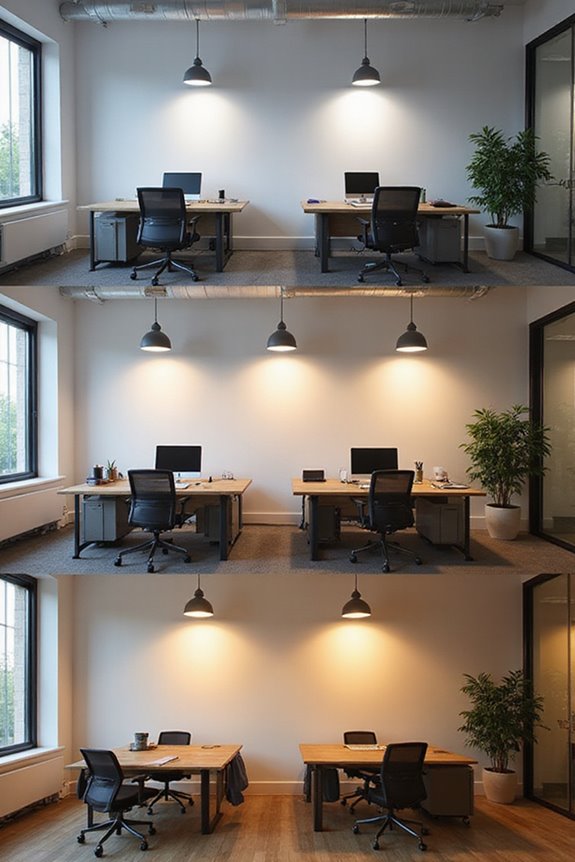
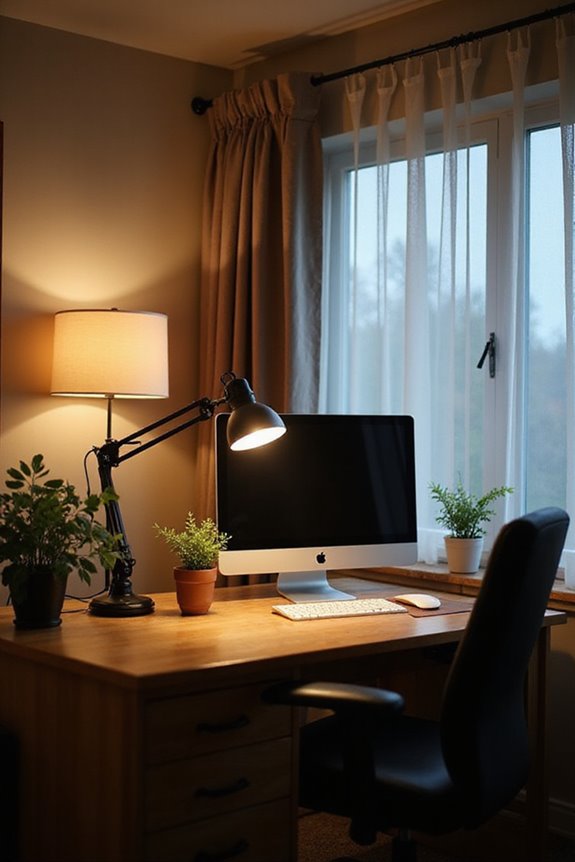
Natural lighting is essential for reducing eye strain, improving visual comfort, and enhancing contrast sensitivity. I recommend using LED lights with warmer color temperatures, ideally between 2700K to 4000K, to minimize blue light exposure. Organize your workspace ergonomically, positioning screens at eye level and ensuring proper lighting placement to avoid glare. Consider glare-reducing fixtures and adjustable brightness settings for ideal comfort. By applying these strategies, you’ll find effective ways to alleviate eye strain and improve your workspace. There’s more to explore.
Key Takeaways
- Utilize natural lighting for at least three hours daily to enhance visual comfort and reduce eye strain.
- Choose LED lighting with warmer color temperatures to minimize blue light exposure and prevent flickering.
- Implement adjustable and soft lighting solutions to create a comfortable environment tailored to individual needs.
- Position screens at eye level and avoid direct sunlight to reduce glare and enhance readability.
- Use task lighting to illuminate work surfaces while minimizing shadows and reflections on screens.
The Importance of Natural Lighting
You may be interested
When it comes to eye health, the importance of natural lighting cannot be overstated. Natural light plays a vital role in reducing eyestrain by providing a more comfortable visual environment. I’ve noticed that when I spend at least three hours daily in natural light, my visual comfort increases considerably. This exposure helps stimulate my visual brain, enhancing object visibility and contrast sensitivity. Additionally, incorporating natural light into my daily routine can lower the risk of developing nearsightedness, especially for children and young adults. It’s important to balance the benefits of natural light with its intensity to avoid retinal stress. Clearly, prioritizing natural light not only improves overall eye health but also enhances productivity and well-being.
LED vs. Incandescent: Which Is Better?
How do you choose between LED and incandescent lighting in your home or workspace? Understanding the differences is essential.
LED Advantages
LEDs are energy-efficient, saving you money in the long run. They come in various color temperatures, including warmer options that reduce blue light exposure. However, some LEDs can flicker, potentially causing eye strain. Additionally, many LED lamps feature eye-caring technology that minimizes glare and reduces eye fatigue during prolonged use.
Incandescent Drawbacks
On the other hand, incandescent bulbs create a warm, comforting glow that mimics natural light, which can enhance visual comfort. They’re flicker-free, reducing the risk of eye strain. However, their energy consumption is higher, leading to increased utility costs.
Ultimately, choosing between them often depends on your priorities—energy efficiency versus comfort and ambiance. Consider these factors carefully to reduce eye strain effectively.
Recommended Products

ULTRA-WIDE 4-PANEL & SUPER-BRIGHT LIGHTING: The 42-inch light bar features four independently adjustable panels that fold inward for focused task lighting or rotate outward to illuminate up to 80 inches of workspace. Delivering up to 1800 lumens of bright, even illumination, this LED desk lamp is ideal for dual monitors, large desks, drafting tables, sewing stations, and creative workspaces.

[Comfortable Full-Spectrum Light for Work & Reading] This Honeywell LED desk lamp provides flicker-free, low-glare full-spectrum light with CRI ≥94 for natural-looking illumination. Ideal for reading, studying, computer work and everyday home office tasks.

Important Note – Use only the included AC adapter. Connect the power cable securely and press the Power Button to turn on the lamp. The USB ports are output-only (not support fast charging) and cannot power the lamp.
Optimal Lighting Placement for Workspaces
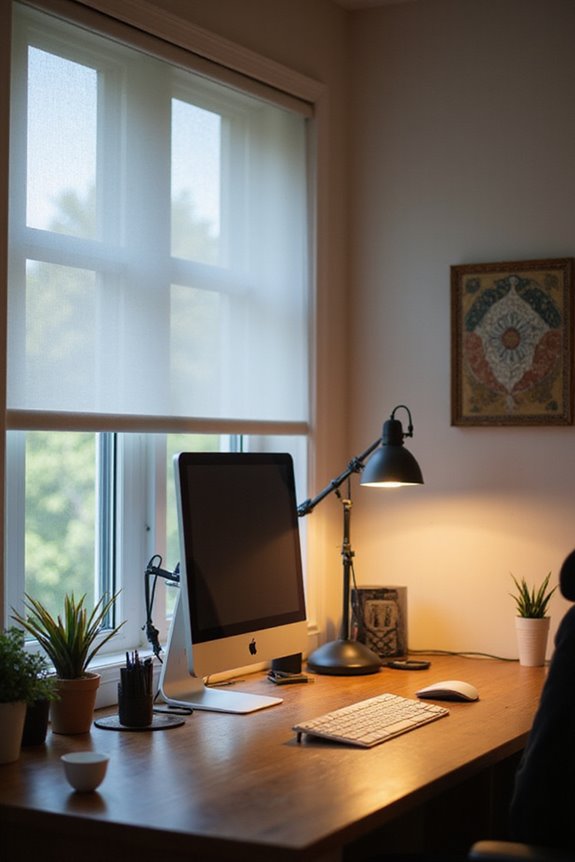
Creating an effective workspace involves more than just choosing the right furniture; ideal lighting placement is crucial for reducing eye strain and enhancing productivity.
- Position Screens Correctly: Keep screens at arm’s length to improve readability while reducing strain.
- Use Task Lighting: Position task lights to minimize shadows and direct glare on work surfaces.
- Consider Lighting Angles: Confirm overhead lights aren’t directly above screens to prevent reflections.
- Leverage Natural Light: Utilize natural light whenever possible, but avoid direct sunlight hitting screens.
- Adjust Light Fixtures: Aim fixtures to direct light onto walls, promoting even illumination and glare reduction.
Recommended Products

2-IN-1: You can either stand this lamp up on its own or with the adjustable c-clamp, you can clamp it onto any surface either vertical or horizontal up to 2” wide. For places like the school, dorm room, office, bedroom

Stepless Dimming Mode: The desk light offers effortless switching of color temperatures (2700K-6500K) and stepless dimming (1% - 100%) to meet your arbitrary color temperature and brightness needs, providing you with a healthy and comfortable office lighting experience. It is perfect for you and your child to read, work, study, unwind, draw, knitting, sew, craftwork, etc

Metal Material: The lamp is integrated with well-made metal lampshade and base, enduring and aesthetic, brightening your living room, bedroom or study room
Strategies for Reducing Glare
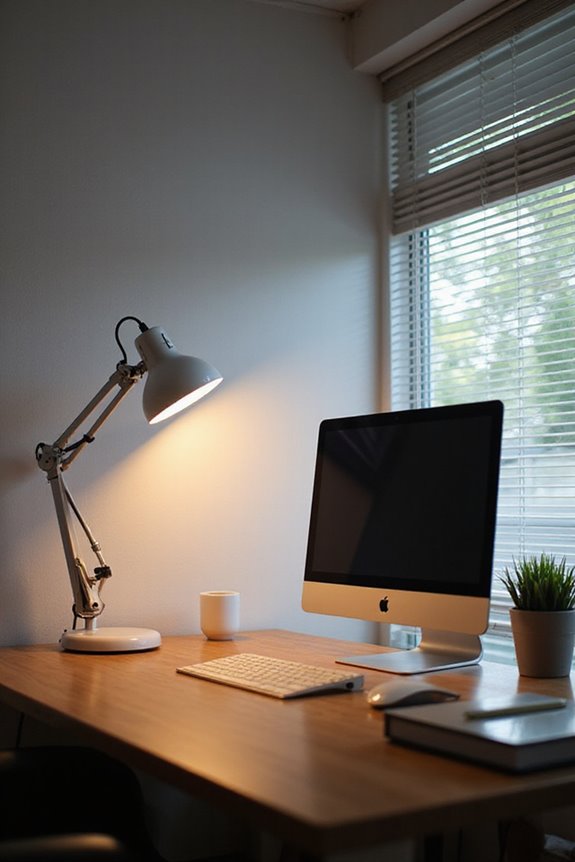
Glare can considerably impact our comfort and productivity, often leading to eye strain. To achieve effective glare reduction, I recommend several lighting techniques.
- Uplighting Fixtures: Install fixtures that direct light toward the ceiling, diffusing illumination and softening the room’s ambiance.
- Adjustable Desk Lamps: Use lamps with anti-glare features, positioning them to the side of your workspace.
- Diffused Light Sources: Select fixtures with diffusers or frosted glass to spread light evenly without harsh contrasts.
- Monitor Placement: Arrange monitors to face away from windows and tilt them slightly to minimize glare.
- Anti-Glare Fixtures: Choose lighting products with lower Unified Glare Ratings for more comfortable illumination.
Implementing these strategies can greatly enhance your visual comfort and reduce eye strain.
Recommended Products

RG0 Certified Eye-Caring Desk Lamps: LEPOWER LED desk light is designed with RG0 lamp beads and professional optical lenses, which 100% prevent hazardous blue light. Our desk lighting has reached the RG0 level in IEC 62778, effectively protecting your eyes from fatigue and preventing vision loss
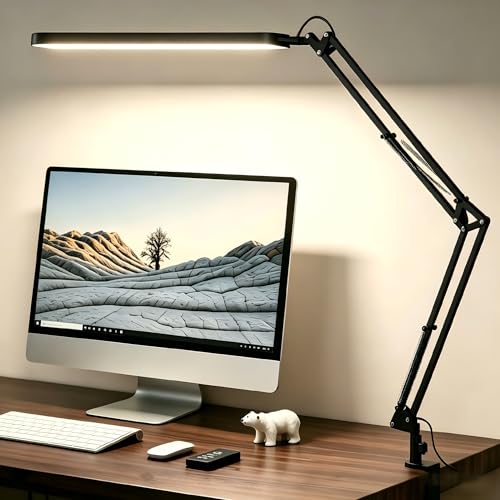
Comfortable Light for Long Working Hours – Designed for home office and study desks, this LED desk lamp provides bright yet comfortable lighting to reduce eye strain during long hours of reading, working, or studying

Super Bright & Eye-Caring: This LED desk lamp features a dual-head design for a wider lighting range, delivering high brightness while remaining soft and flicker-free; Reduces eye strain, making it ideal for home office, reading, studying, and long work sessions
The Role of Monitor Light Bars
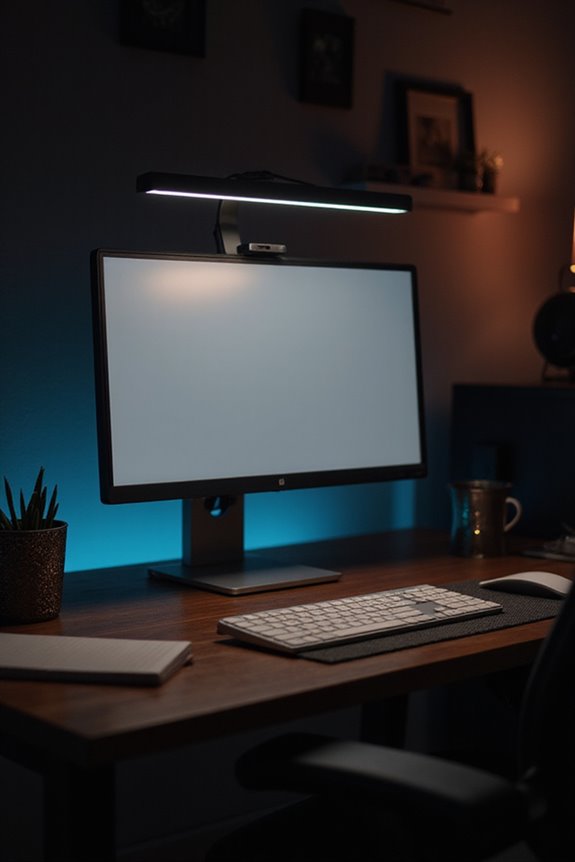
Monitor light bars have become an essential tool for enhancing workspace lighting and reducing eye strain. These devices provide a gentle and diffuse light source that complements the brightness of your monitor, ensuring ideal eye comfort. By eliminating the need for desk lamps, they save space and reduce clutter, creating a more organized environment.
Additionally, monitor light bars can be adjusted for color temperature and intensity, allowing you to tailor the lighting to specific tasks. This is particularly beneficial for those who spend long hours in front of screens, such as programmers and students. With features that minimize glare and lower blue light exposure, these lights contribute to a healthier work atmosphere, ultimately supporting better eye health and productivity. Moreover, many models are designed with advanced eye care technology, which helps to further reduce screen glare and harmful blue light exposure.
Recommended Products
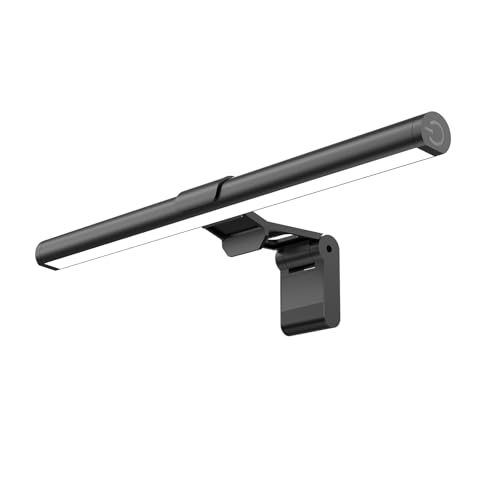
Bright, Wide, and Even Illumination Monitor Light : 11.8-inch screen light bar delivers up to 800 lux of central brightness for 30''*20'' coverage area, offering significantly brighter and more uniform lighting than conventional desk lamps. It eliminates dark spots and minimizes eye strain during extended work or gaming sessions, ensuring a comfortable and well-lit workspace.

【Discover Ultimate Eye Care with YEELIGHT Monitor Light Bar】Protect your vision and elevate your workspace with the YEELIGHT ScreenBar. Our cutting-edge technology not only effectively filters out harmful blue light but also boasts an RG0 rating—the highest standard for blue light safety. This safeguards your eyes from potential damage and ensures long-lasting comfort during extended computer use. Bid farewell to screen glare and enjoy a clear, unobstructed view thanks to our innovative design that minimizes reflections on your screen. Furthermore, our flicker-free illumination provides a stable, stress-free light source, ideal for both work and leisure

No Blue Light Hazard & Flicker-Free Lighting: Certified to meet the IEC/TR 62778 and IEC/EN 62471 standards, Quntis monitor light bar effectively eliminates harmful blue light that may affect vision, reducing eye irritation and providing optimal eye protection. Enjoy our flicker-free illumination that provides a stable light source without worrying about eye discomfort. Experience a truly comfortable and eye-friendly illumination with Quntis computer monitor light.
Benefits of Adjustable Brightness
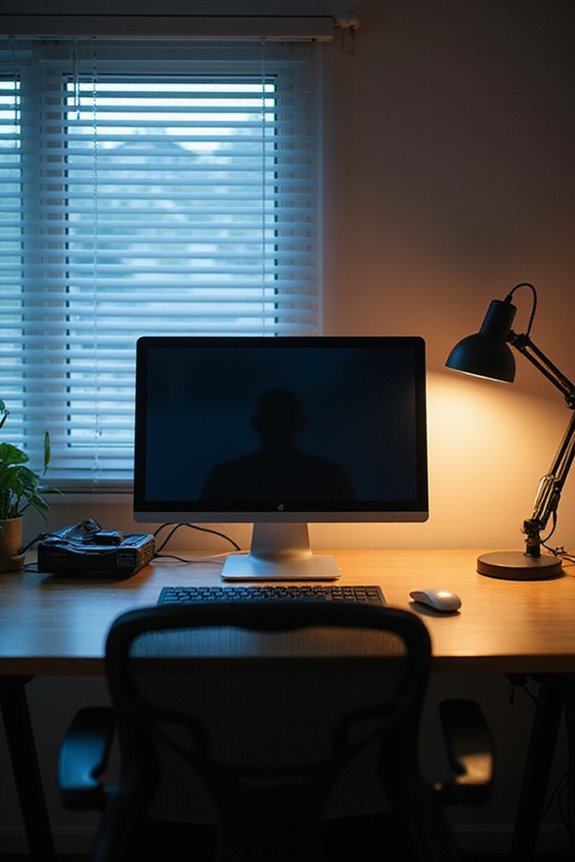
When it comes to reducing eye strain, the ability to adjust screen brightness is essential. By calibrating your screen to match the ambient lighting, you can notably decrease discomfort. When brightness levels are too high compared to the room, glare increases, leading to eye fatigue. A common recommendation is to automate brightness settings based on your environment, which can reduce digital eye strain by 60–70%.
Moreover, personalized brightness not only enhances visual clarity but also improves readability, allowing you to maintain focus without squinting. Adjustability is key, enabling you to adapt to different lighting conditions throughout the day. Overall, optimizing brightness through screen calibration is a simple yet effective way to enhance comfort and productivity during extended computer sessions. Additionally, using lamps with adjustable brightness settings can significantly contribute to creating a more comfortable and productive workspace.
Recommended Products

Superior Brightness Enjoy crisp, natural lighting with our office lamp, designed to enhance focus and reduce eye fatigue. With 500 lumens of brightness and high CRI, it delivers vivid, accurate colors for reading, writing, or designing. The LED technology lasts up to 20,000 hours, ensuring long-term efficiency without flickering or overheating. Upgrade your workspace with a powerful and energy-efficient desk light

[Multiple Lighting Choices] - This LED desktop lamp offers 5 lighting modes, each of which can be paired with one of 5 brightness levels, making it suitable for various needs, from bright white light for home office work to soft warm light for bedside reading.
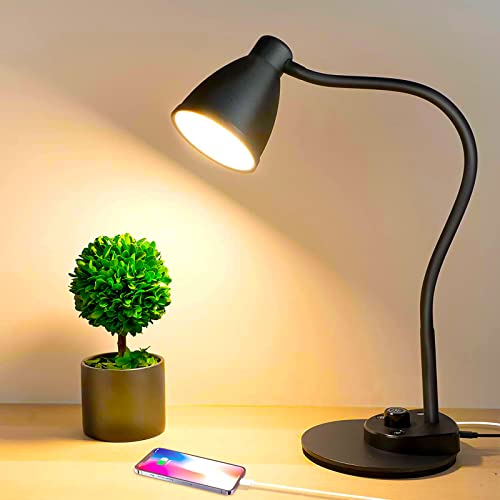
Eye-Caring Desk Lamp: With 56 top SMD2835 LED beads for emitting a 3000K-5500K soft, stable and non-flickering light, which is friendly to your eyes, ideal for reading, work, or rest. Adopting the most advanced LED technology, can save up to 90% energy compared to traditional ones. 10-watt LED lights provide a maximum of 900 lumens.
Choosing the Right Color Temperature
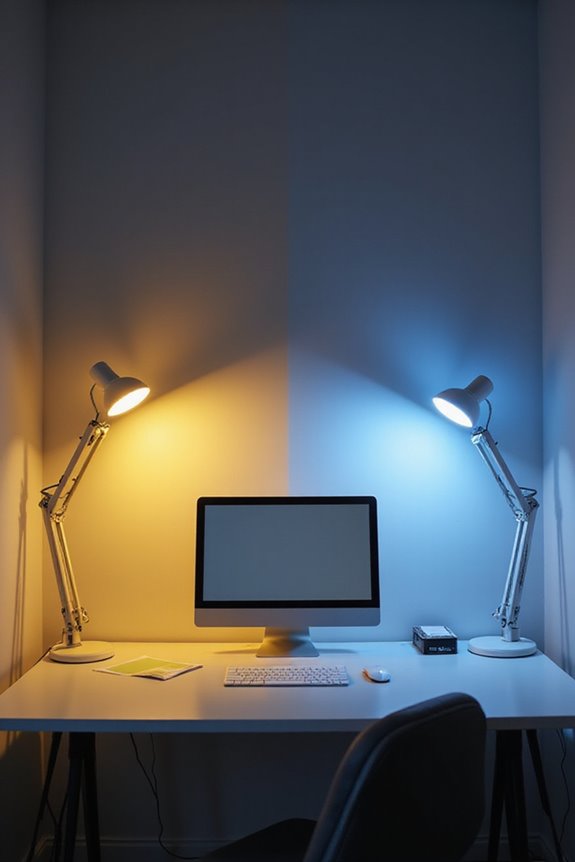
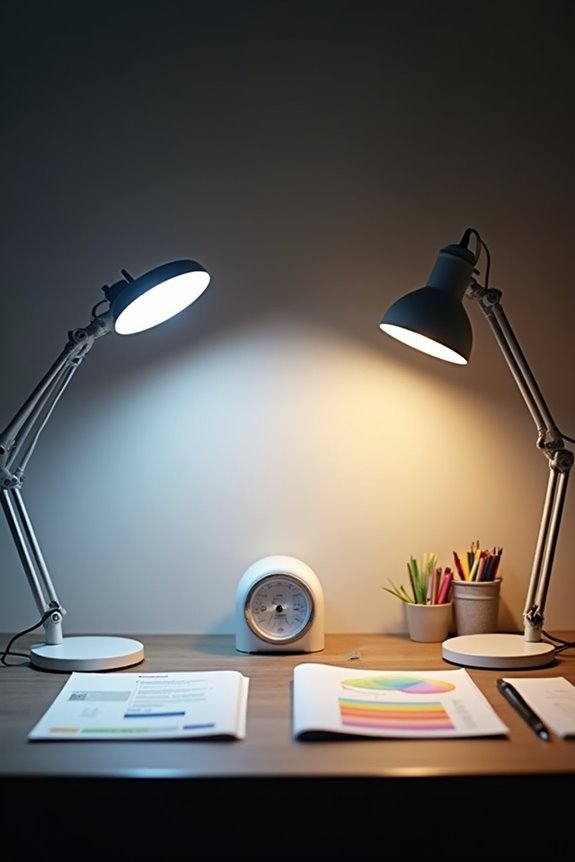
Although I might not always consider it, the color temperature of my lighting plays an essential role in reducing eye strain. For ideal eye comfort, I find that a color temperature between 2700K and 4000K works best. Warm light around 2700K to 3000K is great for relaxation, while cooler light at 4000K enhances concentration during work hours.
During the day, I prefer higher color temperatures to promote alertness, while switching to lower temperatures at night helps reduce blue light exposure. If I can, I adjust my lighting based on the time of day, ensuring that it supports both my productivity and relaxation needs. By being mindful of color temperature, I can greatly enhance my eye comfort.
The Impact of Lighting on Mood and Productivity
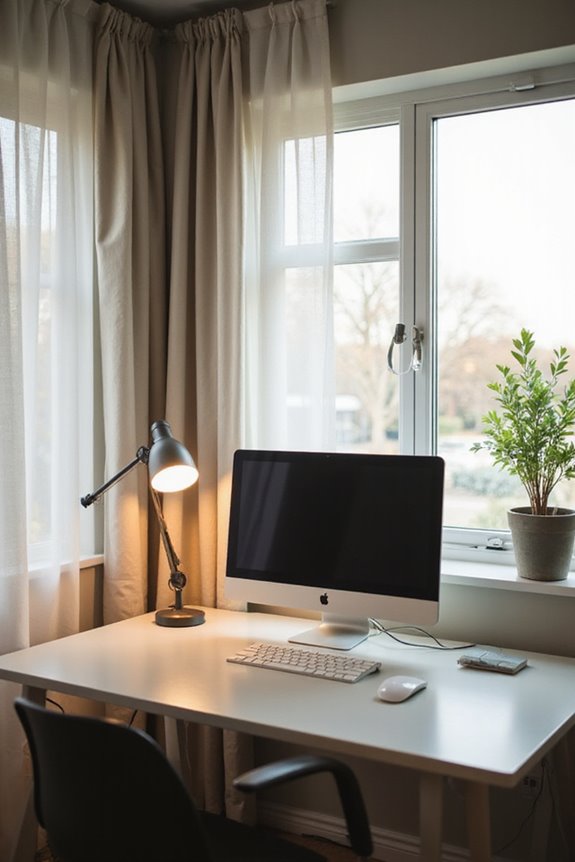
Lighting doesn’t just affect our vision; it profoundly influences our mood and productivity levels. Good lighting plays a critical role in mood regulation, as exposure to natural light can decrease feelings of depression and improve overall well-being. When I work in environments flooded with daylight, I notice an increase in my energy and focus, leading to significant productivity enhancement.
Conversely, poor artificial lighting can negatively affect mood, causing dissatisfaction and distractions. Research shows that ideal lighting conditions not only reduce eye strain but also enhance cognitive function and performance. By prioritizing effective lighting solutions in workspaces, we can create environments that foster both mental well-being and high productivity.
Additional Tips for Eye Health in the Workspace
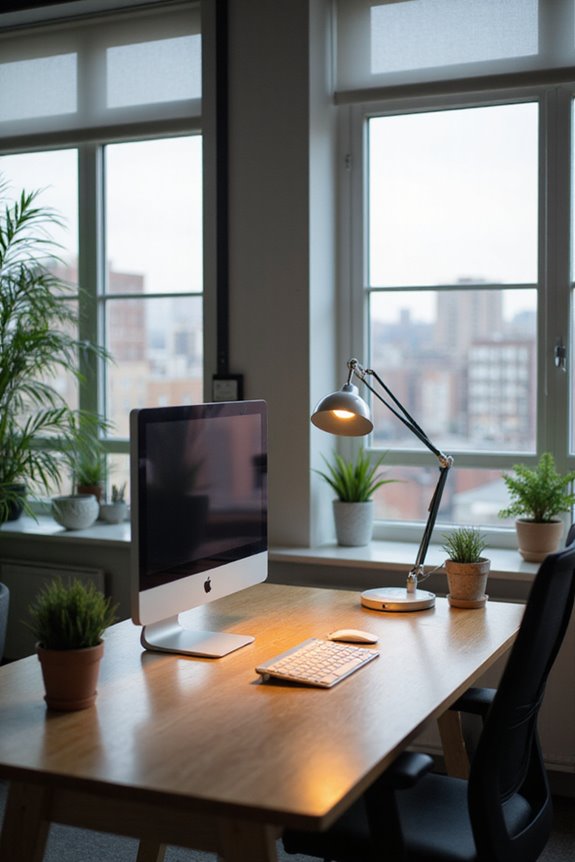
To maintain eye health in the workspace, it’s vital to take proactive steps that address both environmental factors and personal habits. First, I recommend implementing regular screen breaks every 20 minutes. This simple practice can greatly reduce eye strain. During these breaks, try some eye exercises, like the 20-20-20 rule: look at something 20 feet away for 20 seconds.
Additionally, make sure your workspace is ergonomically designed. Position your screen at eye level to minimize glare and adjust lighting to avoid harsh conditions. It’s also essential to keep your workspace organized, reducing clutter that can distract and lead to poor posture. Finally, consider discussing eye health with your employer; they might offer resources or benefits that can support your well-being. Using blue light blocking glasses can further enhance your eye protection during extended screen use.
Statistics on Digital Eye Strain and Lighting Solutions
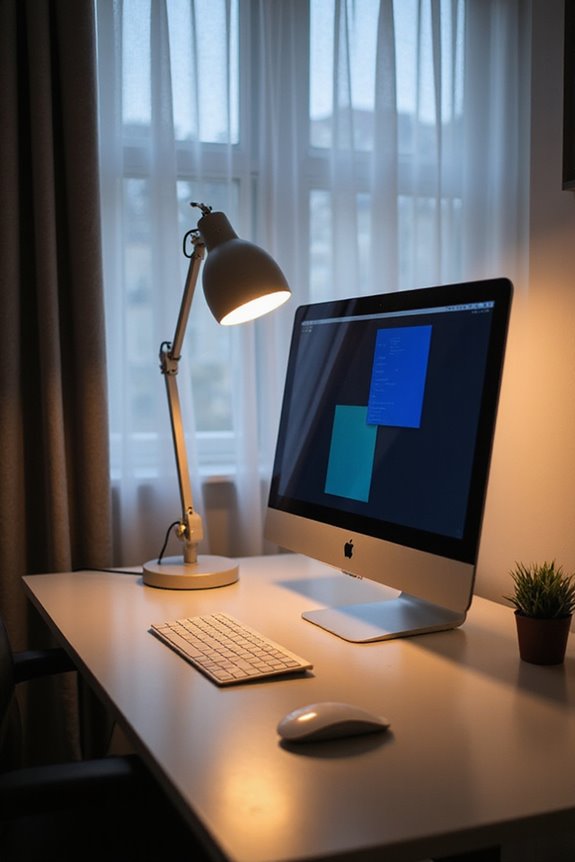
Digital eye strain is a growing concern in today’s screen-dominated work environments, with statistics revealing that over 68% of employees experience symptoms such as blurred vision, eye strain, and dry eyes. It’s alarming that 59% to 69% of these individuals report a negative impact on their productivity.
To combat digital eye strain, effective lighting solutions are essential. Adjustable and soft lighting helps create a comfortable environment, while incorporating natural light can further enhance eye comfort. Dimmable overhead lighting allows for customization based on screen brightness, and task lighting reduces glare. Furthermore, using LED lights can improve energy efficiency and help maintain consistent brightness, which is crucial for reducing digital eye strain.
As we look toward the future, personalized and adaptive lighting systems may provide tailored solutions to mitigate eye strain, ultimately improving workplace well-being and effectiveness.
Frequently Asked Questions
How Can I Tell if My Lighting Is Adequate?
As the saying goes, “the brighter the light, the clearer the sight.” I check my lighting intensity by noticing if I can comfortably read in natural light without squinting or feeling fatigued.
What Are Some Signs of Poor Lighting Conditions?
When I notice glare reduction issues or feel eye strain, it’s a sign my lighting’s off. I also pay attention to color temperature; too warm or cool can make my eyes tired more quickly.
Can Plants Improve Workspace Lighting Quality?
Oh sure, a cactus might not help much with light spectrum, but I’ve found that certain plant types, like ferns, can soften harsh lighting, creating a more pleasant atmosphere that’s easier on my eyes.
How Often Should I Adjust My Lighting Setup?
I think adjusting brightness and lighting colors daily really helps. I often tweak them based on natural light and tasks, ensuring my workspace stays comfortable and visually pleasant throughout the day. It’s made a difference!
Are There Specific Bulb Brands Recommended for Eye Comfort?
When choosing bulbs, I recommend brands like Philips and Sylvania. Their brightness and warm color temperatures between 2700K and 4000K really help create a comfortable atmosphere, reducing strain during long hours of use.
{
“@context”: “https://schema.org”,
“@type”: “FAQPage”,
“mainEntity”: [
{
“@type”: “Question”,
“name”: “LED vs. Incandescent: Which Is Better?”,
“acceptedAnswer”: {
“@type”: “Answer”,
“text”: “How do you choose between LED and incandescent lighting in your home or workspace? Understanding the differences is essential.LED AdvantagesLEDs are energy-efficient, saving you money in the long run. They come in various color temperatures, including warmer options that reduce blue light expo…”
}
},
{
“@type”: “Question”,
“name”: “How Can I Tell if My Lighting Is Adequate?”,
“acceptedAnswer”: {
“@type”: “Answer”,
“text”: “As the saying goes, “the brighter the light, the clearer the sight.” I check my lighting intensity by noticing if I can comfortably read in natural light without squinting or feeling fatigued.”
}
},
{
“@type”: “Question”,
“name”: “What Are Some Signs of Poor Lighting Conditions?”,
“acceptedAnswer”: {
“@type”: “Answer”,
“text”: “When I notice glare reduction issues or feel eye strain, it’s a sign my lighting’s off. I also pay attention to color temperature; too warm or cool can make my eyes tired more quickly.”
}
},
{
“@type”: “Question”,
“name”: “Can Plants Improve Workspace Lighting Quality?”,
“acceptedAnswer”: {
“@type”: “Answer”,
“text”: “Oh sure, a cactus might not help much with light spectrum, but I’ve found that certain plant types, like ferns, can soften harsh lighting, creating a more pleasant atmosphere that’s easier on my eyes.”
}
},
{
“@type”: “Question”,
“name”: “How Often Should I Adjust My Lighting Setup?”,
“acceptedAnswer”: {
“@type”: “Answer”,
“text”: “I think adjusting brightness and lighting colors daily really helps. I often tweak them based on natural light and tasks, ensuring my workspace stays comfortable and visually pleasant throughout the day. It’s made a difference!”
}
},
{
“@type”: “Question”,
“name”: “Are There Specific Bulb Brands Recommended for Eye Comfort?”,
“acceptedAnswer”: {
“@type”: “Answer”,
“text”: “When choosing bulbs, I recommend brands like Philips and Sylvania. Their brightness and warm color temperatures between 2700K and 4000K really help create a comfortable atmosphere, reducing strain during long hours of use.”
}
}
]
}