As an Amazon Associate, we earn from qualifying purchases. Some links may be affiliate links at no extra cost to you. Although our opinions are based on curated research, we haven't used these products. Articles generated with AI.

What Are The Most Energy-efficient Office Equipment Options?

When considering energy-efficient office equipment, I recommend opting for ENERGY STAR-certified computers, which use up to 40% less energy than standard models. Additionally, LED monitors are a smart choice, consuming 50-70% less energy than traditional screens. Multifunction printers also streamline tasks while minimizing energy use. For lighting, LED bulbs are effective, and smart thermostats optimize HVAC systems for efficiency. By selecting these options, you can greatly reduce operational costs and promote a sustainable work environment. Let’s explore more options together.
Key Takeaways
- ENERGY STAR-certified computers consume up to 40% less energy than standard models, reducing operational costs and enhancing reliability.
- LED monitors use 50–70% less energy compared to traditional screens, providing long-term savings on energy bills.
- Multifunction printers combine printing, scanning, and copying, significantly lowering overall energy consumption and minimizing waste.
- LED lighting is up to 90% more energy-efficient than incandescent bulbs, offering cost savings and longer lifespans.
- Smart thermostats optimize HVAC systems, reduce energy waste, and improve comfort through adaptive learning and remote management.
ENERGY STAR-Certified Computers
You may be interested



As we become more aware of our environmental footprint, choosing ENERGY STAR-certified computers can be a wise decision for both personal and organizational sustainability. These computers meet rigorous performance and energy efficiency criteria set by the ENERGY STAR certification process, guaranteeing they use considerably less energy—up to 40% less than standard models.
The latest certification, effective from October 2020, includes various categories like notebooks and desktops, all adhering to updated standards. They must also pass strict testing procedures to guarantee compliance. By selecting ENERGY STAR-certified models, we not only reduce operational costs through lower energy consumption but also contribute to a reduced environmental impact. Investing in these computers promotes reliability and efficiency, making them a smart choice for any user.
Recommended Products

[RGB AT YOUR FINGERTIPS] - This unique computer comes with a one-of-a-kind, side panel RGB lighting kit; Access 13 different RGB modes and colors, including solid, spectrum, flashing, and more with the push of a button; Find your favorite!

BUILT FOR THE SPEED OF LIFE - Immerse yourself in whatever you are doing with an ultra-slim three-sided micro-edge FHD touchscreen and up to a 90% screen-to-body ratio for enhanced viewing
Energy-Efficient Monitors
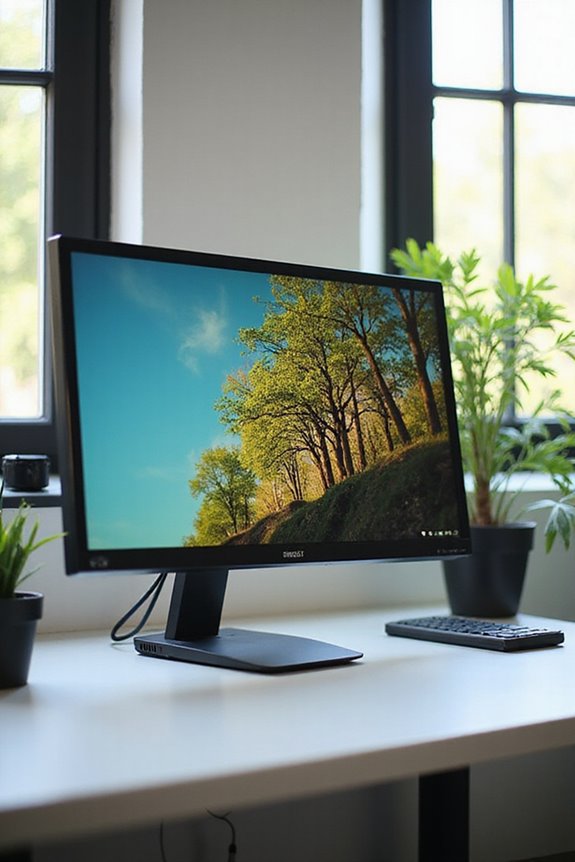
When considering the purchase of monitors, selecting energy-efficient options can greatly impact both your budget and the environment. Energy saving displays, such as LED monitors, consume 50–70% less energy compared to traditional screen types. Opting for ENERGY STAR-certified models can enhance efficiency by about 7%, meeting stricter power limits across various modes. Monitor technologies like OLED and IPS panels have varying energy consumption; OLEDs offer high color accuracy but depend on the content displayed. Additionally, features such as adaptive brightness and power-saving modes markedly reduce energy use during inactivity. While the upfront costs may be higher, the long-term savings on energy bills and reduced carbon footprint make energy-efficient monitors a wise investment for sustainable office practices. Furthermore, many of the best 32-inch monitors available today incorporate energy-saving technologies that can further reduce consumption.
Recommended Products

Fast & Accurate: Equipped with the SCD4x CO₂ sensor (photoacoustic NDIR principle), it ensures accuracy of ±(40ppm + 5%), a 5s refresh rate, and built-in pressure compensation for any altitude. It helps prevent headaches and drowsiness, improving sleep and concentration.Please note: Calibrate in the app's settings outdoors if required.

CRISP CLARITY: This 23.8″ Philips V line monitor delivers crisp Full HD 1920x1080 visuals. Enjoy movies, shows and videos with remarkable detail

Vibrant Images: Crisp, true-to-life colors come alive in Full HD 1080p resolution. Movies and games appear more real and dramatic, and minute details and text are clear with 1920x1080 resolution in a 16:9 aspect ratio.
Multifunction Printers as Smart Hubs
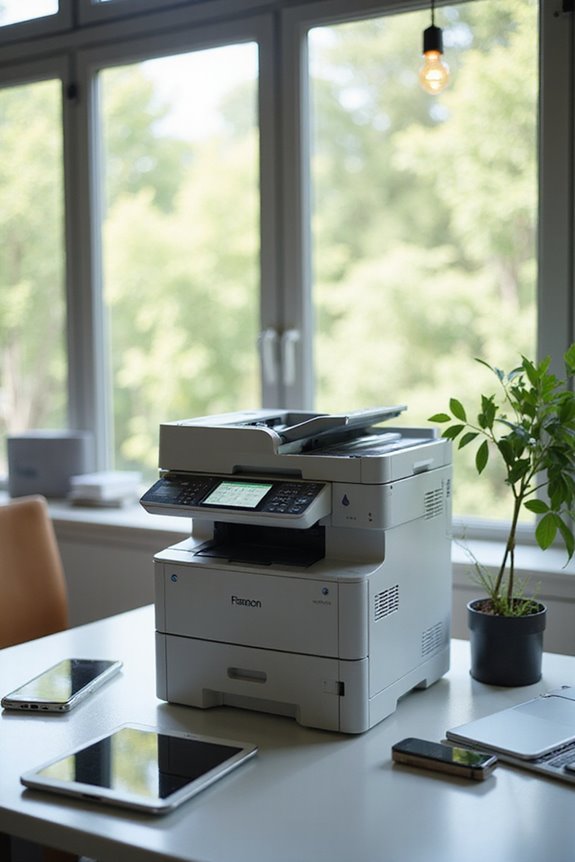
Multifunction printers (MFPs) serve as essential smart hubs in modern offices, seamlessly integrating multiple functions such as printing, scanning, and copying into one device. One of the key multifunction printer benefits is their energy efficiency; models like the Xerox AltaLink C8130 are designed to reduce overall energy consumption considerably. They feature smart hub integration, allowing for remote management and monitoring of energy use, which optimizes efficiency. Additionally, MFPs often include automatic sleep modes and network management tools that further enhance their energy-saving capabilities. By minimizing paper and toner waste, these devices not only streamline workflows but also promote a more sustainable office environment. Overall, investing in an MFP can lead to both cost savings and improved productivity. Moreover, the print speed of modern MFPs can be optimized to handle various tasks efficiently, saving time and energy in the process.
Recommended Products

BEST FOR SMALL BUSINESSES – Engineered for extraordinary productivity, the Brother DCP-L2640DW Monochrome (Black & White) 3-in-1 combines laser printer, scanner, copier in one compact footprint and delivers high-quality black & white prints
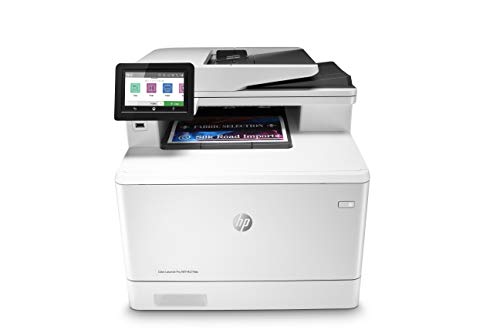
BUILT TO KEEP YOUR BUSINESS MOVING FORWARD – Print, scan, copy and fax consistently high-quality documents with the HP Color LaserJet Pro Multifunction M479fdn, a color laser printer designed to let you focus on growing your business
BUILT TO KEEP YOUR BUSINESS MOVING FORWARD – Print, scan, copy and fax consistently high-quality documents with the HP Color LaserJet Pro Multifunction M479fdw, a wireless printer designed to let you focus on growing your business.Operating temperature range : 10 to 32.5°C
Advantages of LED Lighting
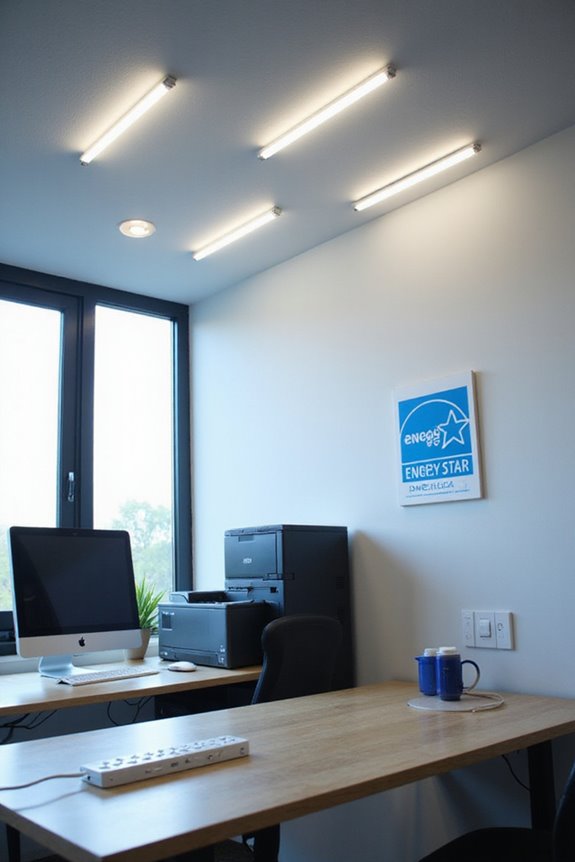
While many offices still rely on traditional incandescent bulbs, the shift toward LED lighting offers numerous advantages that can considerably enhance workplace efficiency and sustainability.
- Energy Efficiency: LEDs use up to 90% less energy than incandescent bulbs, leading to significant cost savings on electricity bills.
- Longevity: With a lifespan up to 25 times longer than traditional bulbs, they reduce replacement frequency and maintenance costs.
- Environmental Impact: LEDs are more eco-friendly, contributing to lower carbon emissions and a smaller ecological footprint.
- Improved Light Quality: They provide enhanced light quality, reducing eye strain and improving productivity.
- Versatility: LED lighting innovations allow for various applications, from task lighting to ambient illumination, making them suitable for any office setting.
Adopting LEDs is a smart choice for modern workplaces.
Recommended Products

[Multiple Lighting Choices] - This LED desktop lamp offers 5 lighting modes, each of which can be paired with one of 5 brightness levels, making it suitable for various needs, from bright white light for home office work to soft warm light for bedside reading.

Multiple Lighting Choices. This led desktop lamp offers 5 lighting modes that can each be paired with one of the 5 brightness levels for a total of 25 different light settings.

【TOUCH CONTROL DIMMABLE DESK LAMP】 the LED desk light has 5 light colors and 3 brightness levels. You can easily choose a variety of lights for painting, reading, writing, crafts, nail light for desk, kindle reading lighting needs. easily adjust the brightness by touch. Cool white lighting great suit for working, studying, reading.
Smart Thermostats for Optimal Control
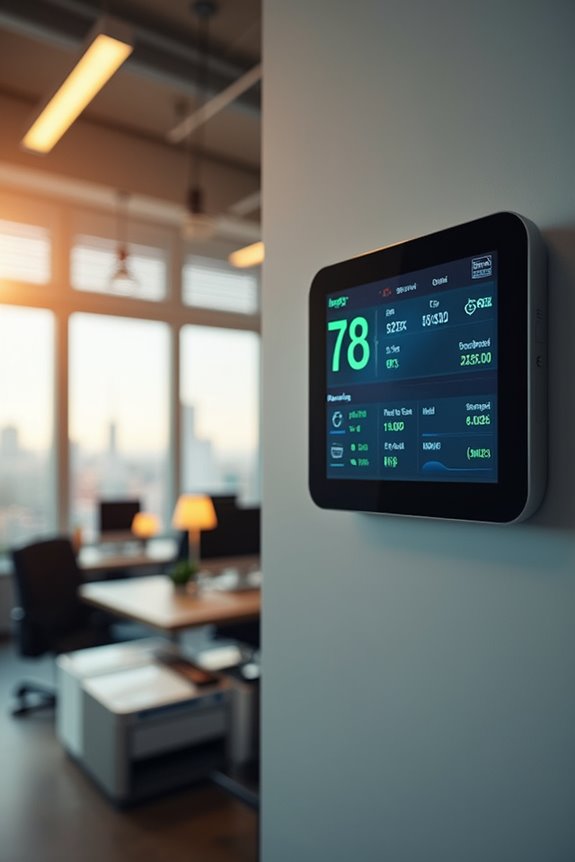
In today’s fast-paced work environment, having ideal control over your office’s heating and cooling systems is essential for both comfort and energy efficiency. Smart thermostats offer significant smart thermostat benefits, as they optimize your HVAC systems to reduce energy waste effectively. With their adaptive learning features, these devices learn your temperature preferences and routines, allowing for automatic adjustments based on real-time data.
Additionally, many models provide remote control through apps, enabling you to manage settings even when you’re away. They can integrate with weather forecasts to anticipate temperature changes, ensuring a comfortable workspace while minimizing energy use. By investing in a smart thermostat, you can enhance comfort, improve efficiency, and ultimately save on energy costs.
Recommended Products
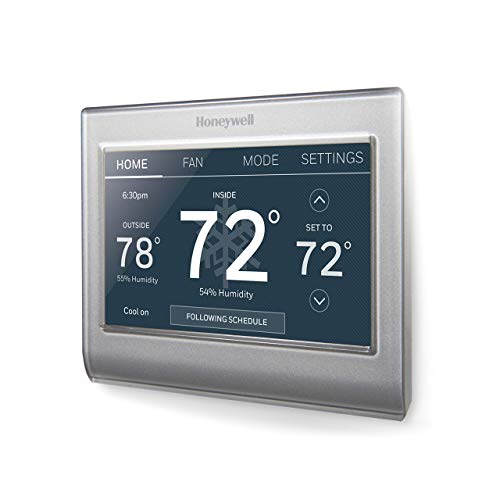
COMFORT COMES IN YOUR COLOR. Personalize your Wi-Fi Smart Color Programmable Thermostat to fit your décor.

An Alexa thermostat - Amazon Smart Thermostat is an easy way to switch from a traditional thermostats for homes and help reduce energy usage.

Save up to 23% every year on heating and cooling costs, adjusts to your set schedule to save energy when you’re gone and optimize comfort when you’re home. Compared to a hold of 72
Cost Benefits of Energy-Efficient Equipment
Investing in energy-efficient office equipment can yield significant financial advantages for businesses. By incorporating ENERGY STAR certified products, you can enjoy cost savings of up to 30% on utility bills. This translates to substantial utility reductions, contributing to nearly $1 billion in annual savings for U.S. businesses. Shifting to energy-efficient equipment generally comes with negligible upgrade costs, making it an economically viable option.
Additionally, the savings from energy-efficient printers and computers can accumulate over time, enhancing your bottom line. With ongoing advancements in technology, adopting these options not only supports immediate financial health but also positions your business for long-term economic benefits. Embracing energy efficiency is a smart investment that pays off both now and in the future.
Environmental Impact of Sustainable Choices
Choosing energy-efficient office equipment not only benefits the bottom line but also plays an essential role in reducing our environmental footprint. By opting for sustainable materials and eco-friendly products, we can considerably lower waste production. For instance, using recycled paper and upcycled desk accessories keeps materials out of landfills. In addition, energy-efficient electronics require fewer raw materials and contribute to a reduced carbon footprint, as they consume less energy over their lifecycles.
Additionally, selecting biodegradable pens and compostable office supplies minimizes pollution and supports healthier air quality. By embracing these sustainable practices, we not only protect our planet but also enhance our workplace environment, leading to long-term benefits for both employees and the ecosystem.
Key Technologies for Sustainable Offices
What technologies can we leverage to create more sustainable office environments? First, we can implement energy-efficient HVAC systems and smart thermostats to optimize heating and cooling, reducing energy consumption considerably. Incorporating solar power solutions not only lowers operational costs but also promotes renewable energy use. Additionally, advanced AI and IoT systems enable real-time monitoring of energy use and waste management.
For water conservation, installing efficient water-saving technologies enhances sustainability. We should also prioritize sustainable materials in our office construction, opting for low-carbon materials that minimize emissions. Together, these technologies contribute to a greener, more efficient workspace, ultimately creating a healthier environment for both employees and the planet.
Energy Efficiency Certifications and Guidelines
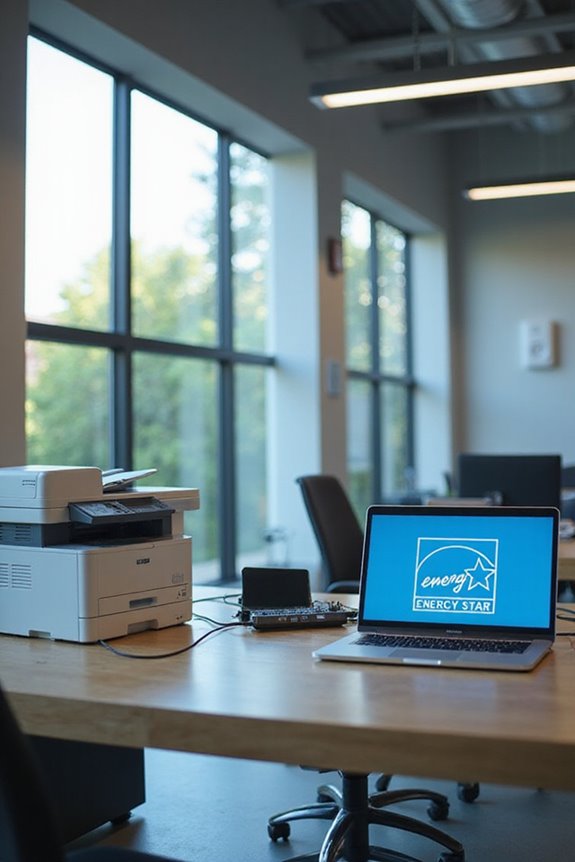
As organizations aim to enhance their sustainability efforts, understanding energy efficiency certifications and guidelines becomes essential. Certifications like ENERGY STAR, USGBC, and UL are recognized benchmarks that validate energy efficiency initiatives. These certification processes guarantee that office equipment meets rigorous energy standards, helping businesses make informed choices.
To maximize energy savings, organizations should set energy reduction goals and utilize equipment designed with low-power modes. Additionally, incentives from utilities for adopting certified products can further encourage efficiency. Utilizing compliance tools also aids in communicating the benefits of energy-efficient equipment to consumers. By prioritizing these certifications and guidelines, businesses can not only reduce costs but also contribute positively to environmental sustainability while improving their operational efficiency.
Trends in Sustainable Office Design
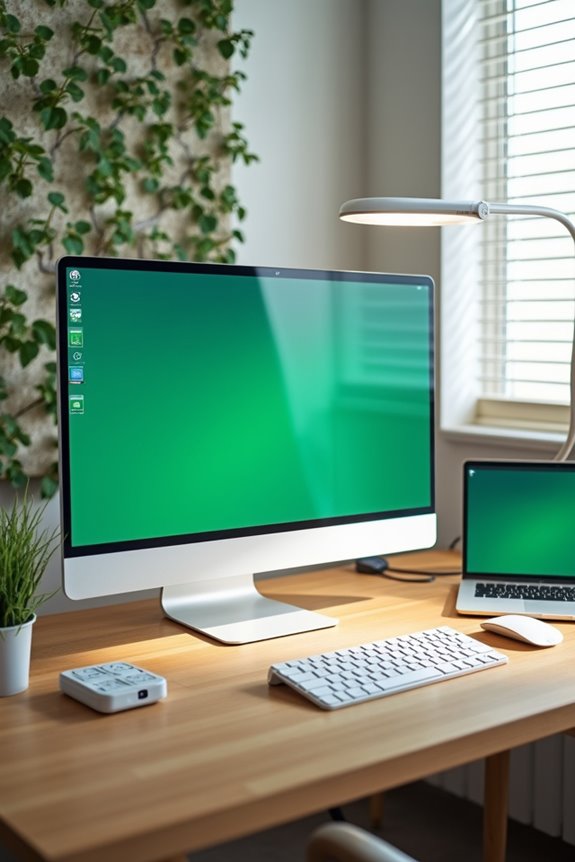
In recent years, the shift towards sustainable office design has gained significant momentum, reflecting a growing awareness of environmental impacts and employee well-being. One major trend is the use of sustainable materials, such as reclaimed wood and recycled metals, which minimize the carbon footprint of new constructions.
Additionally, biophilic design is becoming more prominent, with indoor plants and living walls enhancing air quality while providing psychological benefits. Flexible workspaces encourage collaboration and reduce energy consumption by optimizing space use. Features like modular furniture and smart technologies further support energy efficiency and adaptability. By integrating these elements, offices can create healthier environments that promote productivity while being conscious of our planet’s resources.
Frequently Asked Questions
How Can I Determine the Energy Efficiency of Office Equipment?
To determine energy efficiency, I check energy ratings on labels and use comparison tools like ENERGY STAR’s database. These resources help me identify models that save power and reduce costs in my office.
Are There Specific Brands Known for Energy-Efficient Office Products?
Ever wondered which brands truly stand out in energy efficiency? I’ve found that companies like HP and Dell excel with eco-friendly certifications, making brand comparisons essential when choosing office products that save energy and costs.
What Are the Installation Requirements for Smart Thermostats?
When considering smart thermostat installation, I always check for C-wire compatibility and HVAC voltage. These energy saving features guarantee my system runs efficiently, maximizing both comfort and savings while minimizing potential installation issues.
How Can I Track Energy Savings After Upgrading Equipment?
To track energy savings after upgrades, I use energy monitoring tools and conduct savings analysis regularly. This helps me compare pre- and post-upgrade usage, ensuring I maximize efficiency and identify any ongoing inefficiencies.
Do Energy-Efficient Products Require Special Maintenance or Care?
Maintaining energy-efficient products is like nurturing a delicate plant; they need special care. I’ve found that proper energy-efficient maintenance guarantees ideal performance, extending lifespan while minimizing costs and environmental impact. Regular checks are essential for efficiency.
{
“@context”: “https://schema.org”,
“@type”: “FAQPage”,
“mainEntity”: [
{
“@type”: “Question”,
“name”: “How Can I Determine the Energy Efficiency of Office Equipment?”,
“acceptedAnswer”: {
“@type”: “Answer”,
“text”: “To determine energy efficiency, I check energy ratings on labels and use comparison tools like ENERGY STAR’s database. These resources help me identify models that save power and reduce costs in my office.”
}
},
{
“@type”: “Question”,
“name”: “Are There Specific Brands Known for Energy-Efficient Office Products?”,
“acceptedAnswer”: {
“@type”: “Answer”,
“text”: “Ever wondered which brands truly stand out in energy efficiency? I’ve found that companies like HP and Dell excel with eco-friendly certifications, making brand comparisons essential when choosing office products that save energy and costs.”
}
},
{
“@type”: “Question”,
“name”: “What Are the Installation Requirements for Smart Thermostats?”,
“acceptedAnswer”: {
“@type”: “Answer”,
“text”: “When considering smart thermostat installation, I always check for C-wire compatibility and HVAC voltage. These energy saving features guarantee my system runs efficiently, maximizing both comfort and savings while minimizing potential installation issues.”
}
},
{
“@type”: “Question”,
“name”: “How Can I Track Energy Savings After Upgrading Equipment?”,
“acceptedAnswer”: {
“@type”: “Answer”,
“text”: “To track energy savings after upgrades, I use energy monitoring tools and conduct savings analysis regularly. This helps me compare pre- and post-upgrade usage, ensuring I maximize efficiency and identify any ongoing inefficiencies.”
}
},
{
“@type”: “Question”,
“name”: “Do Energy-Efficient Products Require Special Maintenance or Care?”,
“acceptedAnswer”: {
“@type”: “Answer”,
“text”: “Maintaining energy-efficient products is like nurturing a delicate plant; they need special care. I’ve found that proper energy-efficient maintenance guarantees ideal performance, extending lifespan while minimizing costs and environmental impact. Regular checks are essential for efficiency.”
}
}
]
}