As an Amazon Associate, we earn from qualifying purchases. Some links may be affiliate links at no extra cost to you. Although our opinions are based on curated research, we haven't used these products. Articles generated with AI.

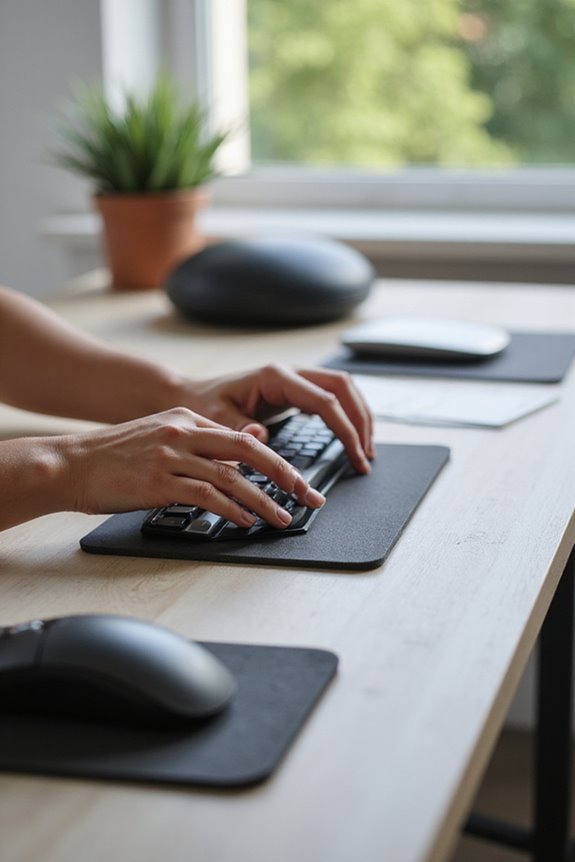
What Exercises Prevent Repetitive Strain Injuries?

To prevent repetitive strain injuries (RSIs), I recommend integrating postural exercises, regular stretching, and strength training into your daily routine. Focus on finger stretches and wrist rotations to maintain flexibility, along with resistance exercises for shoulder stability. Ergonomic adjustments in your workspace are essential for comfort, paired with short breaks every 30-60 minutes for movement. These practices promote muscle resilience and joint health, ensuring you can maintain productivity while minimizing strain. You’ll discover additional strategies to enhance your approach.
Key Takeaways
- Incorporate finger stretches and wrist rotations to enhance flexibility and relieve tension in the hands and wrists.
- Perform resistance exercises, like push-ups and overhead presses, to improve shoulder stability and support posture.
- Engage in core stability workouts, such as planks and bridges, to strengthen the muscles supporting the spine.
- Utilize dynamic stretching and short walks during breaks to alleviate muscle fatigue and maintain flexibility throughout the day.
- Implement ergonomic adjustments in your workspace to promote comfort and reduce strain during repetitive tasks.
Importance of Postural Exercises
You may be interested


When we consider the prevention of repetitive strain injuries (RSIs), it’s essential to recognize the role of postural exercises in maintaining our physical health. Proper posture benefits us by supporting spinal column alignment, which reduces strain on our back and neck. Engaging our muscles correctly promotes balanced muscle engagement in the shoulders and upper back, leading to more efficient movement patterns.
Additionally, maintaining ideal angles at our elbows and knees guarantees comfort and reduces joint load, particularly in the wrists and elbows. Regularly practicing postural exercises helps establish muscle memory, encouraging us to maintain upright posture throughout the day. This proactive approach not only minimizes the risk of chronic pain but also enhances our overall physical resilience against repetitive movements.
Effective Stretching Routines

Effective stretching routines play an essential role in preventing repetitive strain injuries. I recommend incorporating specific exercises into your daily routine.
- Finger Stretches: Extend your arm with the palm facing away and gently massage each finger from base to tip. Then, stretch each finger toward your chest for about 10 seconds.
- Wrist Rotations: Rotate your wrists both clockwise and counterclockwise to maintain flexibility.
- Wall Stretch: Stand with your hands against a wall, stretching your wrists upwards while keeping your arms straight.
- Shoulder Rolls: Roll your shoulders forward and backward to reduce upper back tension.
Recommended Products

STRENGTHEN MUSCLES: This wrist exerciser is designed to improve strength, power and speed in the wrists, fingers and forearms. The TENSION is about 7kg, which is ideal for athletes, sportsmen, fitness enthusiasts, professionals, rock climbers, golfers and tennis players

SUPERIOR-QUALITY DESIGN FOR MAXIMUM PERFORMANCE - Made of top-quality silicone, our hand grip strengthener is durable and safe to use. It is also washable, allowing for frequent and comfortable use. Our grip strength trainer set provides 6 resistance for easy hand exercises, accelerates recovery.

【Complete Hand Grip Strengthener Workout Kits 5 Pack】- The grip trainer set includes an Adjustable Smart Counting Hand Exerciser (11lbs to 132lbs.), Adjustable Finger Stretcher With 3 Level, Finger Exerciser(4lbs on each finger), Stress Relief Ball (50lbs), Forearm Workout Ring (50lbs)
Strengthening Activities for Resilience
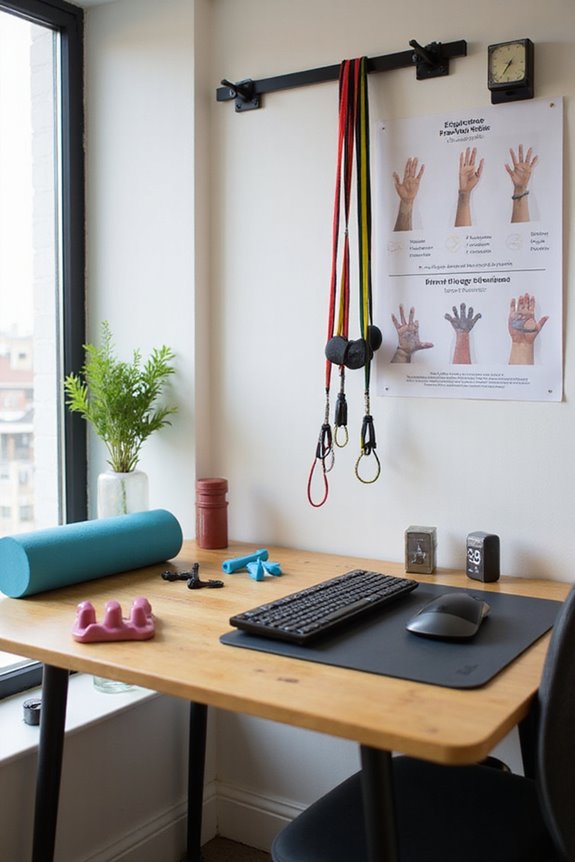
Strengthening activities are crucial for building resilience against repetitive strain injuries, as they enhance muscle stability and endurance in the upper body, core, and forearms. Incorporating resistance exercises like push-ups, lateral raises, and overhead presses can greatly boost shoulder and arm stability. I find that using elastic bands for controlled movements, such as bow and arrow or oblique rowing drills, helps maintain low-impact resistance.
Core stability is essential, so I recommend exercises like planks and bridges to support posture and reduce upper body strain. Additionally, wrist curls and hand grip strengthening activities are effective for preventing wrist strain. Remember, integrating small endurance sets throughout the week prepares your muscles for repetitive tasks and lessens the risk of overuse injuries.
Recommended Products

Premium Package: WIKDAY professional resistance loop bands includes 5pcs different levels , they are all 12in length and 5in width, but different thickness. According to your training needs at different stages, you can match the exercise bands with the appropriate resistance level, So Whether you are a fitness beginner, or a exercise warrior, WIKDAY workout bands will be your perfect choice

High End Exercise Bands. Our 12"³ By 2"³ Heavy Duty Loop Resistance Bands Come In 5 Varying Resistance Levels. This Makes Them Perfect Whether You Are Just Starting To Workout Or A Seasoned Workout Warrior. Our Extra Light And Light Bands Are Great For Beginners, While Our Medium, Heavy And Extra Heavy Exercise Bands Are Targeted For More Intermediate And Advanced Strength Training.

[Adjustable Resistance Levels – 3 Bands in One Set] Includes three figure 8 resistance bands with 20 lbs, 30 lbs, and 40 lbs tension levels. Combine or switch easily to customize intensity for different muscle groups — perfect for beginners to advanced fitness users.
Ergonomic Adjustments for Comfort

While strengthening activities play an important role in preventing repetitive strain injuries, ergonomic adjustments are equally important in creating a comfortable and efficient workspace. Investing in ergonomic furniture, like adjustable desks and supportive chairs, is essential for accommodating different body types and working preferences. A well-thought-out workspace layout can greatly enhance focus and productivity, leading to improved employee satisfaction.
Additionally, incorporating ergonomic accessories, such as monitor stands and ergonomic keyboards, helps maintain proper posture and reduces the risk of musculoskeletal disorders. Training employees on ergonomic practices is vital for ensuring they utilize their space effectively. Ultimately, these adjustments not only foster a healthier work environment but also lead to considerable cost savings through reduced healthcare expenses and increased employee retention. Regular adjustments, such as customizable features like lumbar support, can further enhance comfort and support during work hours.
Recommended Products

Fully Adjustable Office Chair: Customized chairs, featuring with an adjustable 2D headrest, backrest with 90° to 120° recline, and 3D adjustable armrests for multiple work postures at will and discover unparalleled comfort throughout the workday.
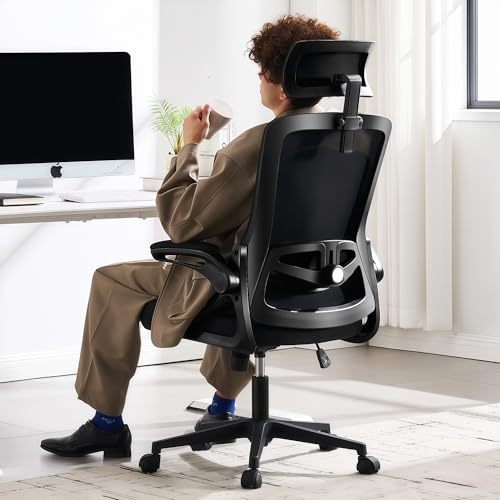
Ergonomic Office Chair: Our ergonomic office chair provides total comfort and support for your head, back, hips and arms. Suitable for people who are approximately 5' 4" to 6' 3" tall. Easily adjust the seat height, headrest, backrest and reversible armrests to meet different needs and provide comfortable support even during long periods of sitting

All-Day Ease – Breathable mesh backrest provides targeted lower back support, encouraging healthy posture and lasting comfort through long hours of sitting.
Break and Movement Strategies
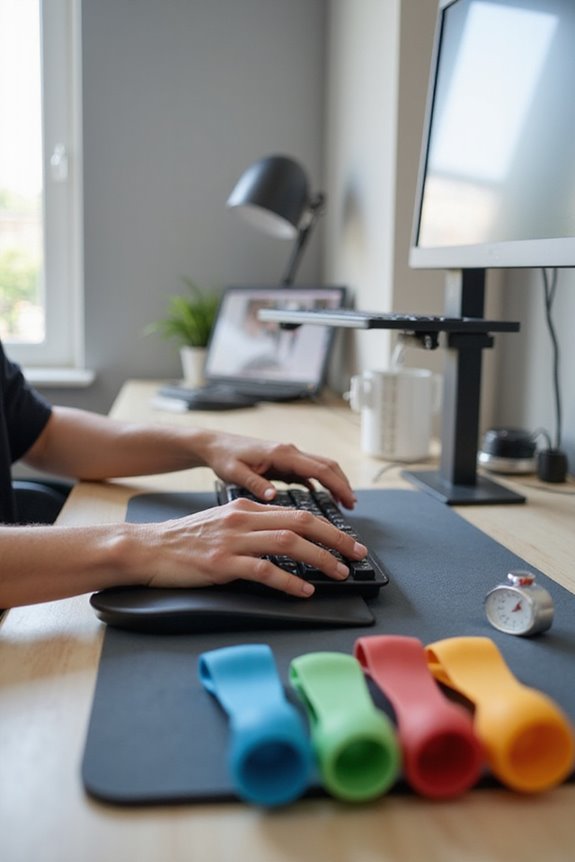
Incorporating regular breaks and movement into your work routine can greatly reduce the risk of repetitive strain injuries (RSIs). I recommend taking short breaks every 30-60 minutes, as this break frequency helps alleviate muscle fatigue. During these breaks, stretch your wrists, roll your shoulders, and stand up to improve circulation.
To enhance your overall well-being, consider integrating a movement variety into your day by incorporating dynamic stretching and short walks. This regular movement not only maintains flexibility and strength but also reduces sedentary behavior linked to RSIs. Remember, pacing your work tasks and prioritizing physical comfort can make a significant difference in minimizing strain and maintaining productivity throughout your workday.
Recommended Products

A Real 5/25 Task Timer. The 5/25 working or studying technique is a time management method based on 25-minute stretches of focused work broken by 5 -minute breaks. We have preset 5, 25 minutes for you, you don’t have to set it every time by yourself. Other similar cube timers in the market are not real 5/25 timers as they don’t have preset 5, 25 minutes.

【 2 Pack Dual Style Standing Light Up Ghost Set】This complete 2-pack halloween ghost decorations contains two distinct styled standing fabric ghosts: one matching classic witch hat, the other decorated with elegant black bow. The two matching ghost ornaments form layered spooky scenes for your indoor table, mantel, front porch and Halloween party entry display.

A Real 5/25 Task Timer. The 5/25 working or studying technique is a time management method based on 25-minute stretches of focused work broken by 5 -minute breaks. We have preset 5, 25 minutes for you, you don’t have to set it every time by yourself. Other similar cube timers in the market are not real 5/25 timers as they don’t have preset 5, 25 minutes.
Exercise Guidelines for Office Workers
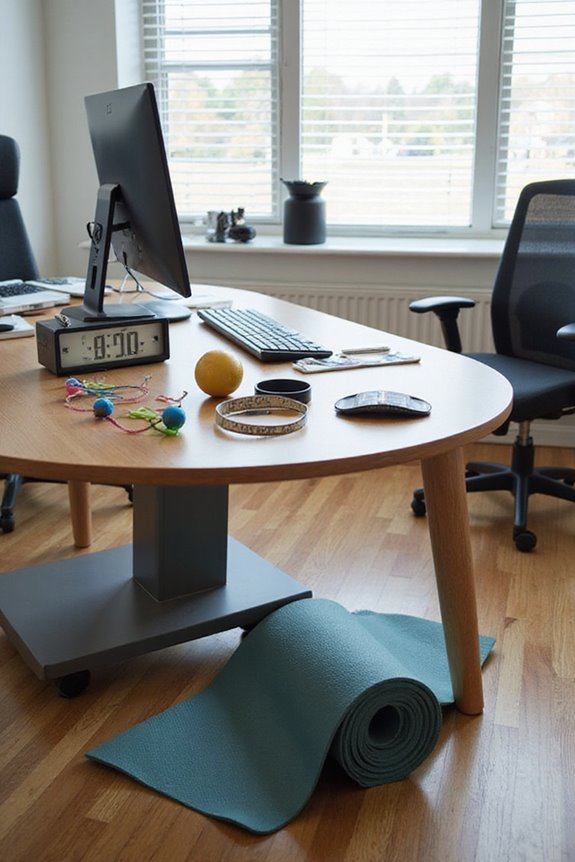
To effectively prevent repetitive strain injuries (RSIs), it is essential to incorporate specific exercise guidelines into your daily office routine.
- Ergonomic Adjustments: Use adjustable seating with lumbar support, and keep your desk height aligned with your body. Make certain monitors are at eye level to maintain proper posture.
- Posture Awareness: Sit or stand with a straight back and relaxed shoulders. Keep your knees at or below hip level and your arms at a 90-degree angle.
- Stretching Exercises: Integrate simple stretches like neck tilts, shoulder rolls, and wrist extensions. Aim for a few minutes of stretching every hour. Additionally, using ergonomic accessories can enhance overall comfort and help prevent RSIs during prolonged computer use.
Recommended Products

𝗔𝗹𝗹 𝗗𝗮𝘆 𝗖𝗼𝗺𝗳𝗼𝗿𝘁 - High-grade memory foam contours to your spine, delivering lumbar support for office chair users and helping maintain neutral posture through long workdays
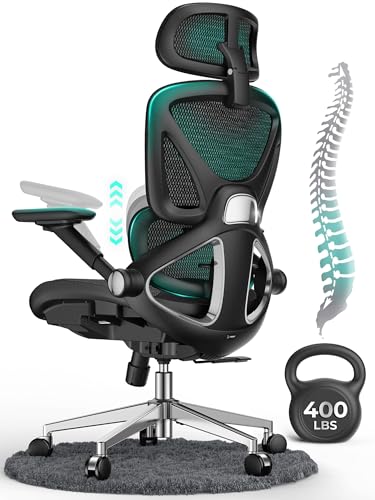
【STURDY, SNUG WORK CHAIR】Made for long sits over 8 hours of desk work. Micro-adjust lumbar support, flip-up arms, and a flexible headrest serve people from 5'5" to 6'2", prolonging comfort. BIFMA X5.1 certifies the reliability of its robust, durable structure, ensuring sustained benefits.

【Installation/Other Issues】Our office chair package includes an installation guide, and detailed setup steps are available on our product page. For any questions regarding assembly or office chair usage, pls let us know. we guarantee a response within 24 hours.
Incorporating Variability in Movements
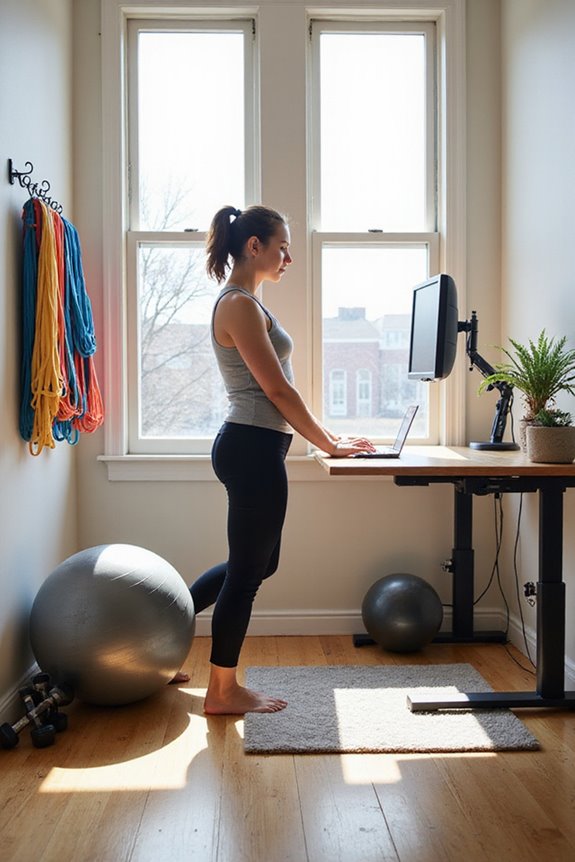
Recognizing the importance of movement variability can greatly enhance your physical health and reduce the risk of repetitive strain injuries (RSIs). By incorporating varied movements into your routine, you improve adaptability while engaging different muscle groups. This approach helps distribute stress across various tissues, preventing overuse injuries.
Important practices include:
- Changing Grip Positions: Alter your grip during exercises to introduce controlled variability.
- Interval Training: Use interval-based workouts to adapt movements without excessive fatigue.
- Monitor Movement Patterns: Assess your tendencies to identify where to increase or decrease variability.
Monitoring and Adjusting Your Routine
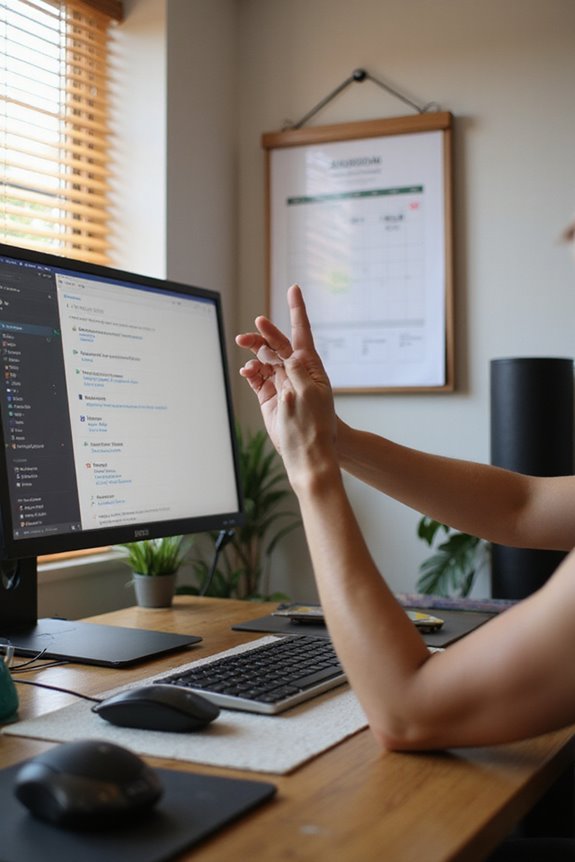
Monitoring and adjusting your routine is essential for maintaining ideal physical health and preventing repetitive strain injuries. I recommend using effective monitoring techniques, like visual checklists or digital apps, to assess your posture and activity every 30–60 minutes. Taking short breaks during this time maximizes effectiveness, allowing you to identify discomfort early.
Routine adjustments are equally important. Incorporate brief rest periods after every half-hour of repetitive activity, and vary your movements to engage different muscle groups. Regularly review your exercise routine, aiming for balance among stretching, strengthening, and postural exercises. By listening to your body and making these proactive changes, you’ll considerably reduce your risk of injury and support long-term physical well-being.
Frequently Asked Questions
How Long Should I Hold Stretches for Maximum Benefit?
Imagine stretching like a rubber band, ready to snap! For maximum flexibility improvement, I hold stretches for about 30 seconds. It’s the sweet spot for stretch duration that keeps my muscles happy and healthy.
Can I Perform These Exercises While Seated?
Absolutely, I can perform seated stretches and seated resistance exercises. They’re perfect for maintaining flexibility and strength while sitting, helping me stay comfortable and reducing the risk of strain during long hours at my desk.
What Are Some Signs I’M Overdoing My Exercises?
If I notice persistent pain indicators, like discomfort during or after exercising, I know I’m overdoing it. I endeavor for exercise balance, listening to my body to avoid pushing past my limits.
How Do I Choose the Right Resistance Band?
When choosing a resistance band, I consider the band types and resistance levels that match my workout goals. It’s essential to find one that feels comfortable and provides enough challenge for effective training.
Are There Specific Exercises for Wrist Strain Prevention?
When I focus on wrist strain prevention, I prioritize wrist mobility and strengthening exercises. Incorporating stretches and resistance training into my routine has really helped me maintain flexibility and strength in my wrists over time.
{
“@context”: “https://schema.org”,
“@type”: “FAQPage”,
“mainEntity”: [
{
“@type”: “Question”,
“name”: “How Long Should I Hold Stretches for Maximum Benefit?”,
“acceptedAnswer”: {
“@type”: “Answer”,
“text”: “Imagine stretching like a rubber band, ready to snap! For maximum flexibility improvement, I hold stretches for about 30 seconds. It’s the sweet spot for stretch duration that keeps my muscles happy and healthy.”
}
},
{
“@type”: “Question”,
“name”: “Can I Perform These Exercises While Seated?”,
“acceptedAnswer”: {
“@type”: “Answer”,
“text”: “Absolutely, I can perform seated stretches and seated resistance exercises. They’re perfect for maintaining flexibility and strength while sitting, helping me stay comfortable and reducing the risk of strain during long hours at my desk.”
}
},
{
“@type”: “Question”,
“name”: “What Are Some Signs I’M Overdoing My Exercises?”,
“acceptedAnswer”: {
“@type”: “Answer”,
“text”: “If I notice persistent pain indicators, like discomfort during or after exercising, I know I’m overdoing it. I endeavor for exercise balance, listening to my body to avoid pushing past my limits.”
}
},
{
“@type”: “Question”,
“name”: “How Do I Choose the Right Resistance Band?”,
“acceptedAnswer”: {
“@type”: “Answer”,
“text”: “When choosing a resistance band, I consider the band types and resistance levels that match my workout goals. It’s essential to find one that feels comfortable and provides enough challenge for effective training.”
}
},
{
“@type”: “Question”,
“name”: “Are There Specific Exercises for Wrist Strain Prevention?”,
“acceptedAnswer”: {
“@type”: “Answer”,
“text”: “When I focus on wrist strain prevention, I prioritize wrist mobility and strengthening exercises. Incorporating stretches and resistance training into my routine has really helped me maintain flexibility and strength in my wrists over time.”
}
}
]
}