As an Amazon Associate, we earn from qualifying purchases. Some links may be affiliate links at no extra cost to you. Although our opinions are based on curated research, we haven't used these products. Articles generated with AI.

What Are The Signs Of Poor Workplace Ergonomics?

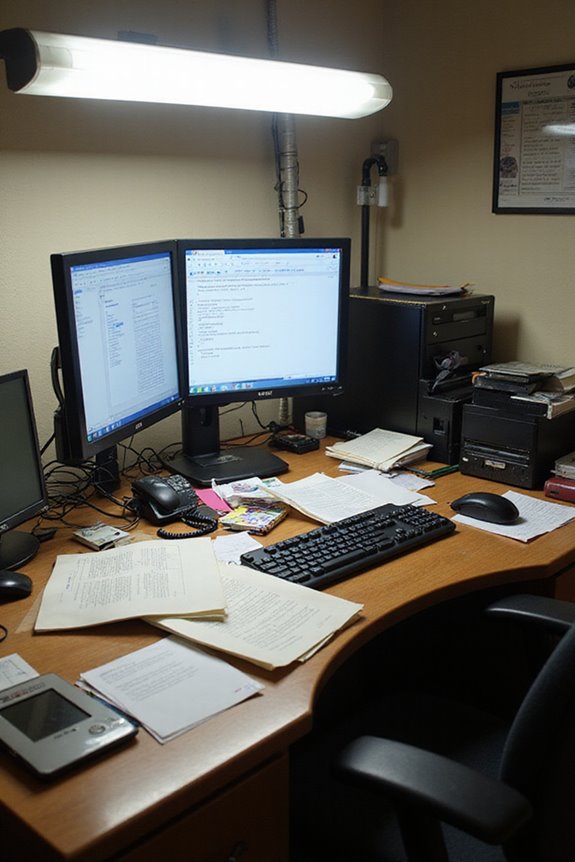
Poor workplace ergonomics can show through several signs. You might feel muscle tension, especially in your neck and shoulders. Eye discomfort, like dryness or blurred vision, is another indicator. Persistent lower back pain often suggests inadequate lumbar support. You might also find yourself adjusting your posture frequently. These symptoms can lead to decreased productivity and overall discomfort. If you want to explore potential solutions and benefits, there’s more to discover ahead.
Key Takeaways
- Muscle tension, especially in the neck and shoulders, is a common sign of poor workplace ergonomics.
- Eye discomfort such as dryness, blurred vision, or headaches can indicate inadequate screen setup.
- Persistent lower back pain suggests insufficient lumbar support in seating arrangements.
- Frequent posture adjustments or increased breaks due to discomfort highlight ergonomic issues.
- Repetitive motions or contact pressure on joints may lead to conditions like carpal tunnel syndrome.
Common Symptoms of Poor Ergonomics
You may be interested


When you spend long hours at a desk, it’s easy to overlook the signs that your workspace may not be set up correctly. Common symptoms of poor ergonomics can manifest in various ways, often starting subtly. You might experience muscle tension, particularly in your neck and shoulders, which can escalate into more severe discomfort. Eye discomfort is another frequent indicator, with symptoms like dryness, blurred vision, or headaches becoming more pronounced after prolonged screen time. Additionally, persistent lower back pain may signal inadequate lumbar support. If you find yourself frequently adjusting your posture or taking more breaks due to discomfort, these could be clear signs that your workspace needs an ergonomic overhaul. Addressing these symptoms early can help prevent long-term issues. Investing in an ergonomic chair with adjustable lumbar support can significantly improve your comfort and productivity.
Recommended Products

Fully Adjustable Office Chair: Customized chairs, featuring with an adjustable 2D headrest, backrest with 90° to 120° recline, and 3D adjustable armrests for multiple work postures at will and discover unparalleled comfort throughout the workday.

All-Day Ease – Breathable mesh backrest provides targeted lower back support, encouraging healthy posture and lasting comfort through long hours of sitting.

𝗔𝗹𝗹 𝗗𝗮𝘆 𝗖𝗼𝗺𝗳𝗼𝗿𝘁 - High-grade memory foam contours to your spine, delivering lumbar support for office chair users and helping maintain neutral posture through long workdays
Causes of Poor Ergonomics

Understanding the causes of poor ergonomics is vital for creating a comfortable and productive workspace. Several factors contribute to these issues, starting with inadequate workspace design. If workstations lack adjustability, they may not meet individual needs, leading to discomfort. Insufficient training programs on ergonomic principles can leave employees unaware of how to set up their workspaces effectively.
Moreover, inappropriate furniture choices, incorrect monitor placement, and poor posture exacerbate these problems. Environmental factors such as inadequate lighting and excessive noise also play a role. Finally, distractions in the workspace can hinder ergonomic setups, making it essential to address these causes proactively. By focusing on these aspects, we can notably improve workplace ergonomics and enhance overall comfort. Additionally, using height-adjustable stands can significantly promote better posture and reduce discomfort during work hours.
Recommended Products

Design: The monitor stand for the desk has a large 14.6 x 9.3 inches plastic shelf that fits most flat screen displays, laptops, and printers, with a maximum support weight of up to 44 lbs (20kg). Rubber pads prevent slipping or damage to your work surface
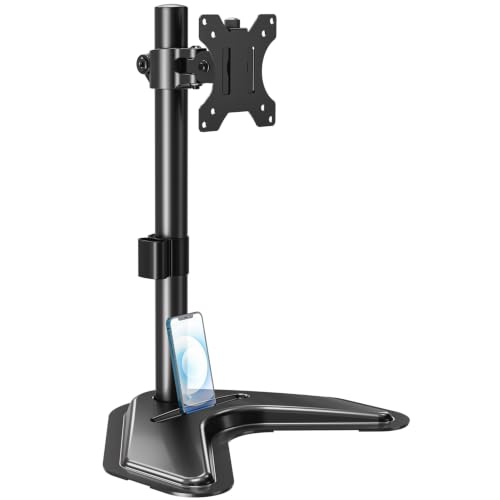
ERGONOMIC DESIGN - The screen monitor stand can be flexibly adjusted for different angles to meet your eye level and posture, releasing the strain on your neck, shoulder, and eyes.

Compatibility: This single monitor stand fits Most Monitors, TV up to 32", 22 lbs. Mounting holes 75x75mm or 100x100mm detachable and height adjustable (up to 18”). VBase (15.4* 11* 0.8 inches).
Effects on Productivity

As I examine the relationship between ergonomics and productivity, it becomes clear that addressing ergonomic issues can profoundly impact workplace efficiency. Ergonomic assessments reveal that improving workspaces can considerably reduce absenteeism, with some studies showing up to a 75% decrease. This reduction leads to enhanced productivity metrics, as employees are more present and engaged.
Moreover, ergonomic interventions help minimize errors and distractions, which boosts overall output. For instance, well-designed workstations can optimize task efficiency and enhance comfort, directly influencing focus. When employees feel comfortable, their morale improves, fostering a productive environment. Ultimately, investing in ergonomic solutions not only supports employee well-being but also contributes to sustained productivity gains and considerable cost savings for employers. The use of anti-fatigue mats can further enhance comfort during prolonged standing, reducing fatigue and improving overall productivity.
Identifying Ergonomic Issues

Identifying ergonomic issues in the workplace can greatly enhance employee well-being and productivity. To start, I recommend conducting regular ergonomic assessments to pinpoint specific hazards. Look out for misaligned posture, which can cause discomfort, especially in the back and neck. Repetitive motions can lead to conditions like carpal tunnel syndrome, while forceful exertion increases injury risk. Contact pressure on joints, particularly in the wrists and elbows, should also be monitored. Pay attention to environmental factors, such as vibration and temperature extremes, that may exacerbate ergonomic issues. By recognizing these signs early, we can guarantee better posture alignment and create a healthier work environment for everyone involved. Incorporating adjustable height desks can further promote better posture and reduce discomfort associated with prolonged sitting.
Recommended Products

Electric Height Adjustable Standing Desk for Comfortable Work - Switch effortlessly between sitting and standing with this electric standing desk. The smooth height adjustment from 28.35" to 46.46" helps promote a more comfortable working posture and keeps your energy flowing throughout the workday. Ideal for home offices, gaming setups, and productivity workspaces.

【32” x 19” Perfect for Small Spaces & Corner】 Specially designed with a compact 32" x 19" desktop, this small electric standing desk seamlessly fits into limited areas like apartments, bedrooms, and cozy home office corners without crowding your room. It is the ultimate space-saving, height-adjustable solution to pair with under-desk treadmills and walking pads for remote workers, freelancers, and students

Outstanding Stability: This electric standing desk has a sturdy solid steel frame with aerospace-grade lifting column connectors (still stable & secure after testing 100,031 times). It's a firm foundation for work, even at full height
Solutions for Improving Ergonomics
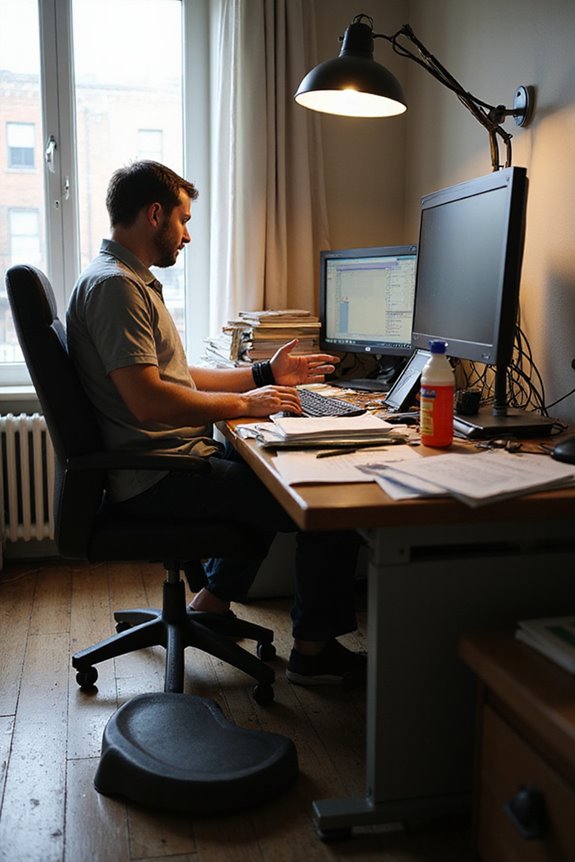
Improving workplace ergonomics is essential for fostering a healthier and more productive environment. To begin, conducting ergonomic assessments can identify specific issues that need addressing. Based on these assessments, implement workplace adjustments such as adjustable furniture, which allows employees to switch between sitting and standing. Providing proper lighting and organizing workspaces efficiently can also minimize unnecessary movement and reduce fatigue.
Incorporating ergonomic tools like adjustable monitors and ergonomic keyboards can greatly enhance comfort. Additionally, offering ergonomic training helps employees maintain proper posture and understand the importance of regular breaks. By promoting a culture of wellness and involving employees in these changes, we can create a supportive environment that prioritizes health and productivity, ultimately leading to better outcomes for everyone involved. Furthermore, utilizing adjustable height desks can significantly improve posture and reduce back strain, contributing to overall well-being.
Recommended Products
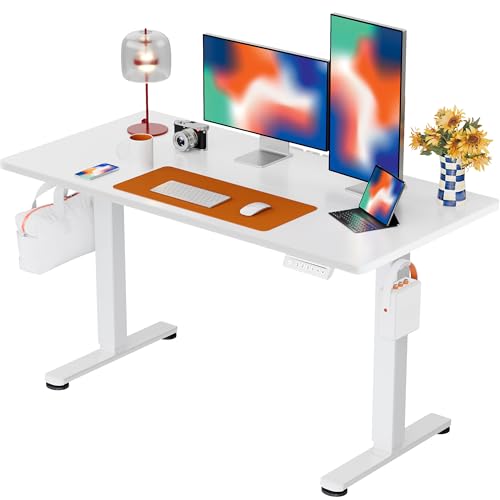
Electric Height Adjustable Standing Desk for Comfortable Work - Switch effortlessly between sitting and standing with this electric standing desk. The smooth height adjustment from 28.35" to 46.46" helps promote a more comfortable working posture and keeps your energy flowing throughout the workday. Ideal for home offices, gaming setups, and productivity workspaces.

Elegant Glass Desktop: Elevate your home office with this standing desk from Marsail. The glass surface is both durable and stylish to any workspace. Write or doodle on the glass desktop with dry erase markers, then simply wipe clean to start fresh.

Height Adjustable Rolling End Table: This versatile end table features adjustable height settings, ranging from 27.9 inches to 41.3 inches, allowing you to customize your workspace whether you're standing or sitting. Includes a retainer with five fixed height settings to prevent the table from slipping and ensure safe use. The desk is USPTO Patent Approved
Benefits of Good Ergonomics

When we consider the impact of good ergonomics in the workplace, it’s clear that the advantages extend far beyond mere comfort. First, implementing ergonomic tools can increase efficiency by approximately 25%, as employees experience less strain and fatigue. This leads to reduced errors and improved workflow, enhancing overall productivity.
Moreover, good ergonomics greatly boosts employee engagement. Workers feel valued when their comfort is prioritized, leading to higher job satisfaction and lower turnover rates. In fact, companies can see a reduction in absenteeism by up to 88%.
Importance of Regular Ergonomic Assessments

To maintain a healthy and productive workplace, it is vital to conduct regular ergonomic assessments. These assessments should occur with a consistent frequency, especially in environments with physical or repetitive tasks. By identifying poor ergonomics early, we can greatly reduce the risk of musculoskeletal disorders (MSDs), which account for a large percentage of workplace injuries.
Incorporating ergonomic training during onboarding is essential, as is evaluating workspaces after any job task changes. Regular assessments not only improve worker health but also enhance productivity and reduce absenteeism. Ultimately, committing to ongoing ergonomic evaluations demonstrates a dedication to employee welfare, fostering a culture of safety, compliance, and trust within the organization. Prioritizing ergonomics can lead to considerable cost savings as well.
Recommended Products

𝐀𝐥𝐥 𝐃𝐚𝐲 𝐂𝐨𝐦𝐟𝐨𝐫𝐭: Boasting an ergonomic design, this office chair features an all-elastic premium mesh back and a high-density sponge seat, ensuring superior comfort for extended sitting. Also, the breathable mesh keeps you cool and comfortable
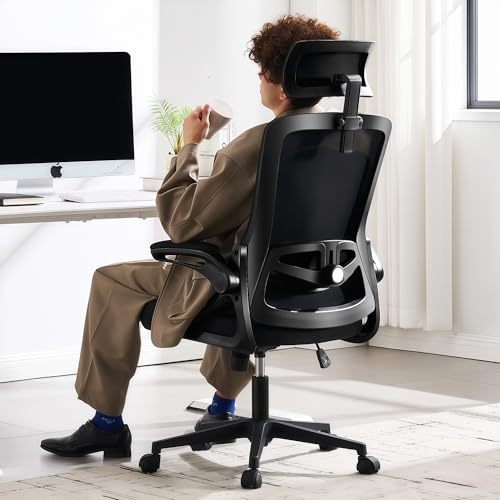
Ergonomic Office Chair: Our ergonomic office chair provides total comfort and support for your head, back, hips and arms. Suitable for people who are approximately 5' 4" to 6' 3" tall. Easily adjust the seat height, headrest, backrest and reversible armrests to meet different needs and provide comfortable support even during long periods of sitting
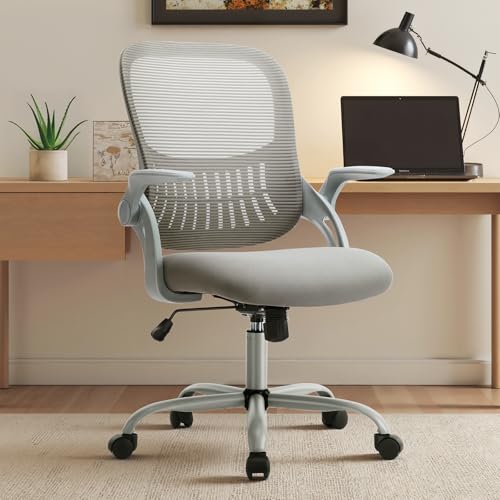
Ergonomic Lumbar Support: The ergonomically designed backrest of our ergonomic office chair has prominent lumbar support to fit the natural curvature of the spine. The Computer Desk Chair with mid-back brings quality and comfort to any office
Frequently Asked Questions
How Can Poor Ergonomics Affect Mental Health?
Poor ergonomics can really impact mental health. I’ve noticed that high stress levels from discomfort can cloud cognitive function, leading to anxiety and frustration. Addressing ergonomic issues often improves both my productivity and emotional well-being.
What Industries Are Most Affected by Poor Ergonomics?
Think of a ship sailing through stormy seas—manufacturing environments and office settings are often tossed by poor ergonomics. Industries like construction and healthcare face significant challenges, leading to injuries and decreased productivity. Let’s navigate these waters carefully!
Are Ergonomic Assessments Legally Required for Workplaces?
I’ve found that while ergonomic assessments aren’t always legally mandated, adhering to ergonomic standards and workplace regulations is essential. They help prevent injuries and guarantee a safe, compliant environment that benefits everyone involved.
How Does Poor Ergonomics Impact Employee Retention?
You know what they say, “A happy worker is a productive worker.” Poor ergonomics lead to low employee satisfaction and high turnover rates, making it tough for companies to keep experienced talent and maintain a positive workplace vibe.
Can Children Experience Poor Ergonomics in School Settings?
Absolutely, I’ve noticed that poor classroom furniture can negatively affect my child’s posture. If they’re uncomfortable sitting for long periods, it might hinder their learning experience and overall engagement in school.
{
“@context”: “https://schema.org”,
“@type”: “FAQPage”,
“mainEntity”: [
{
“@type”: “Question”,
“name”: “How Can Poor Ergonomics Affect Mental Health?”,
“acceptedAnswer”: {
“@type”: “Answer”,
“text”: “Poor ergonomics can really impact mental health. I’ve noticed that high stress levels from discomfort can cloud cognitive function, leading to anxiety and frustration. Addressing ergonomic issues often improves both my productivity and emotional well-being.”
}
},
{
“@type”: “Question”,
“name”: “What Industries Are Most Affected by Poor Ergonomics?”,
“acceptedAnswer”: {
“@type”: “Answer”,
“text”: “Think of a ship sailing through stormy seas—manufacturing environments and office settings are often tossed by poor ergonomics. Industries like construction and healthcare face significant challenges, leading to injuries and decreased productivity. Let’s navigate these waters carefully!”
}
},
{
“@type”: “Question”,
“name”: “Are Ergonomic Assessments Legally Required for Workplaces?”,
“acceptedAnswer”: {
“@type”: “Answer”,
“text”: “I’ve found that while ergonomic assessments aren’t always legally mandated, adhering to ergonomic standards and workplace regulations is essential. They help prevent injuries and guarantee a safe, compliant environment that benefits everyone involved.”
}
},
{
“@type”: “Question”,
“name”: “How Does Poor Ergonomics Impact Employee Retention?”,
“acceptedAnswer”: {
“@type”: “Answer”,
“text”: “You know what they say, “A happy worker is a productive worker.” Poor ergonomics lead to low employee satisfaction and high turnover rates, making it tough for companies to keep experienced talent and maintain a positive workplace vibe.”
}
},
{
“@type”: “Question”,
“name”: “Can Children Experience Poor Ergonomics in School Settings?”,
“acceptedAnswer”: {
“@type”: “Answer”,
“text”: “Absolutely, I’ve noticed that poor classroom furniture can negatively affect my child’s posture. If they’re uncomfortable sitting for long periods, it might hinder their learning experience and overall engagement in school.”
}
}
]
}