As an Amazon Associate, we earn from qualifying purchases. Some links may be affiliate links at no extra cost to you. Although our opinions are based on curated research, we haven't used these products. Articles generated with AI.

How Do I Create Effective Task Prioritization Systems?

To create effective task prioritization systems, I recommend starting with a thorough workload assessment to identify urgent tasks. Utilize prioritization techniques like the Eisenhower Matrix and the MoSCoW Method to categorize tasks based on urgency and importance. Employ tools like Trello or Asana for visualization and tracking. Regularly review and adjust priorities through team meetings and collaborative discussions. Proactively managing your tasks will enhance productivity and help you focus on what truly matters. There’s more to explore on improving your approach.
Key Takeaways
- Implement the Eisenhower Matrix to categorize tasks based on urgency and importance for effective prioritization.
- Use the MoSCoW Method to identify must-have tasks and ensure stakeholder needs are met.
- Regularly assess and adjust priorities through team collaboration and feedback during meetings.
- Utilize project management tools like Trello or Asana to visualize and track task progress.
- Measure success with SMART metrics and KPIs to evaluate task alignment with overall goals.
Understanding the Need for Task Prioritization
You may be interested



Many people find themselves overwhelmed by their daily responsibilities, making task prioritization essential for maintaining productivity. With approximately 98.2% of individuals struggling to prioritize effectively, understanding the need for prioritization becomes important. High task volume and complexity often lead to cognitive load, which can cloud our decision-making.
Recognizing task significance is critical; focusing on high-value tasks not only improves workflow but also enhances time management. When we fail to set clear priorities, we waste effort on low-impact activities, resulting in missed deadlines and increased stress. In addition, the challenge of prioritizing meetings reflects the broader issue of managing diverse responsibilities. By developing a structured approach to prioritization, we can reduce overwhelm and guarantee that we’re working on what truly matters.
Exploring Effective Prioritization Techniques

Effective task prioritization is a skill that can greatly enhance productivity and reduce stress. There are several techniques I find particularly effective. The Eisenhower Matrix helps categorize tasks by urgency and importance, enabling me to focus on what truly matters. Meanwhile, the MoSCoW Method breaks down project requirements into must-haves and should-haves, streamlining my efforts. I often apply the Pareto Principle, identifying the 20% of tasks that yield 80% of results. Additionally, I tackle challenging tasks first using the Eat Frog approach, making the day feel more manageable. Finally, the RICE Method assists me in prioritizing projects based on reach, impact, confidence, and effort, ensuring I allocate time effectively.
Recommended Products

Daily Focus To Stay On Track: Ready to enjoy more free time? Staying organized has never been easier - the daily to do notebook features space for daily to do’s, notes, health & fitness tracking, a meal planner and appointments

FOCUSED TASK PLANNER FOR DAILY PRODUCTIVITY: The Cloth & Paper Travel Notebook Task Planner is designed for streamlined task management and organized planning. A minimalist productivity planner notebook ideal for tracking to-do lists, priorities, responsibilities, and goals with clarity.

Ultimate To Do List with Multiple Sections: A to do list lover’s dream, our notepad offers multiple sections with ample space to write all your important tasks so you can organize and track your tasks better than with a regular list. Each page has a to do list as well as sections for top priorities, for tomorrow, and appointments/calls, making it easy to prioritize and stay organized. Say goodbye to feeling overwhelmed and hello to a more organized and productive you!
Implementing a Prioritization System

Implementing a prioritization system can greatly streamline your workflow and enhance productivity. To start, I recommend using frameworks like the MoSCoW Method for task categorization, which helps distinguish between must-haves and nice-to-haves based on stakeholder communication. The Eisenhower Decision Matrix is another effective tool, allowing you to assess tasks by urgency and importance.
Incorporating regular team meetings fosters collaboration, ensuring everyone’s input is valued in determining priorities. Tools like Trello or Asana can visualize tasks, making it easier to track and adjust priorities as needed. Finally, continuously reviewing and adapting your prioritization strategy will keep your system aligned with changing circumstances and stakeholder expectations, ultimately leading to better outcomes.
Recommended Products


Stay Organized and Focused: This planner is specifically designed to help individuals with ADHD or busy lifestyles prioritize their day with clear prompts, ensuring that the most important tasks are tackled first
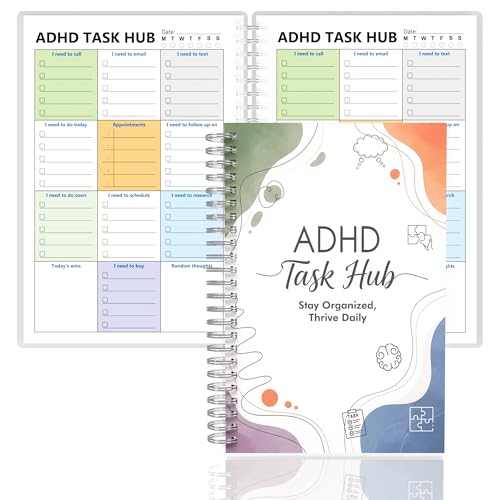
✅ SCIENTIFICALLY STRUCTURED FOR ADHD - Designed specifically to combat ADHD-related challenges, our "ADHD Task Hub" uses color-coded sections and categorized tasks (calls, emails, appointments, to-dos) to reduce overwhelm, enhance focus, and improve daily productivity.
Managing Task Overload Through Prioritization
When faced with an overwhelming number of tasks, it’s essential to approach prioritization as a strategic tool for managing workload effectively. To combat task overload, I start with a thorough workload assessment. This helps me identify urgent tasks that align with my goals. I also utilize task delegation, ensuring responsibilities are distributed based on team members’ strengths. By applying techniques like the Eisenhower Matrix, I can separate tasks by urgency and importance, allowing me to focus on what truly matters. Regularly revisiting and adjusting my priorities prevents the accumulation of less critical tasks. This proactive approach not only enhances my productivity but also safeguards against burnout, ensuring I maintain a sustainable work pace.
Recommended Products

PERFECT DESIGN: Maximize your work area. The desktop whiteboard is designed to sit perfectly between a keyboard and monitor and is slope angled for comfortable reading and writing, or typing when you are using it as a keyboard stand.

Desktop Memo: Sitting compactly between your monitor and keyboard, this small desktop glass whiteboard makes it easy for you to jot down quickly memos like to dos, reminders, schedules, phone numbers and brainstorm ideas during work, zoom meetings, phone calls and online class.

[Reusable Dry Erase Notebook] Features a smooth writing surface and works with dry-erase markers to keep writing clear and removable. Provides you with a perfect writing experience.
Measuring the Success of Your Prioritization Efforts

Measuring the success of your prioritization efforts is a vital aspect of maintaining an effective task management system. I often use quantitative metrics like task duration and productivity ratio to gauge task efficiency. By implementing SMART metrics, I guarantee that my goals are specific, measurable, achievable, relevant, and time-bound.
Key performance indicators (KPIs) are invaluable for evaluating how well tasks align with organizational objectives. Through data analysis, I identify high-priority tasks and their impact. Balancing urgency and importance is essential for achieving my goals. Additionally, I embrace continuous improvement by regularly reviewing and refining my prioritization strategies. This proactive approach helps me stay aligned with my objectives, making sure I’m always focused on the right tasks at the right time.
Frequently Asked Questions
How Do I Choose the Right Prioritization Technique for My Needs?
Choosing the right prioritization technique’s like finding the perfect key for a lock. I weigh task urgency against goal alignment, ensuring my chosen method not only fits my style but also drives meaningful progress.
Can I Combine Different Prioritization Methods Effectively?
Absolutely, I find that combining different prioritization methods works well! Matrix blending enhances method compatibility, making it easier to adapt to various tasks and contexts, ultimately improving my decision-making and productivity. It’s truly effective!
How Often Should I Reassess My Task Priorities?
I’ve found it amusing how often I ignore task frequency in my priority assessment. Regularly reassessing—weekly or even monthly—keeps me focused on what truly matters, preventing me from drowning in unnecessary busyness.
What Tools Can Help in Task Prioritization?
When considering task prioritization, I’ve found productivity apps like ClickUp and Airfocus invaluable. They streamline task management, helping me focus on what truly matters while boosting my overall productivity and efficiency in daily tasks.
How Can I Involve My Team in Prioritization Decisions?
To involve my team in prioritization decisions, I organize team workshops and feedback sessions. These collaborative efforts help everyone share insights, ensuring our priorities align with our goals and enhancing overall engagement and satisfaction.
{
“@context”: “https://schema.org”,
“@type”: “FAQPage”,
“mainEntity”: [
{
“@type”: “Question”,
“name”: “How Do I Choose the Right Prioritization Technique for My Needs?”,
“acceptedAnswer”: {
“@type”: “Answer”,
“text”: “Choosing the right prioritization technique’s like finding the perfect key for a lock. I weigh task urgency against goal alignment, ensuring my chosen method not only fits my style but also drives meaningful progress.”
}
},
{
“@type”: “Question”,
“name”: “Can I Combine Different Prioritization Methods Effectively?”,
“acceptedAnswer”: {
“@type”: “Answer”,
“text”: “Absolutely, I find that combining different prioritization methods works well! Matrix blending enhances method compatibility, making it easier to adapt to various tasks and contexts, ultimately improving my decision-making and productivity. It’s truly effective!”
}
},
{
“@type”: “Question”,
“name”: “How Often Should I Reassess My Task Priorities?”,
“acceptedAnswer”: {
“@type”: “Answer”,
“text”: “I’ve found it amusing how often I ignore task frequency in my priority assessment. Regularly reassessing—weekly or even monthly—keeps me focused on what truly matters, preventing me from drowning in unnecessary busyness.”
}
},
{
“@type”: “Question”,
“name”: “What Tools Can Help in Task Prioritization?”,
“acceptedAnswer”: {
“@type”: “Answer”,
“text”: “When considering task prioritization, I’ve found productivity apps like ClickUp and Airfocus invaluable. They streamline task management, helping me focus on what truly matters while boosting my overall productivity and efficiency in daily tasks.”
}
},
{
“@type”: “Question”,
“name”: “How Can I Involve My Team in Prioritization Decisions?”,
“acceptedAnswer”: {
“@type”: “Answer”,
“text”: “To involve my team in prioritization decisions, I organize team workshops and feedback sessions. These collaborative efforts help everyone share insights, ensuring our priorities align with our goals and enhancing overall engagement and satisfaction.”
}
}
]
}